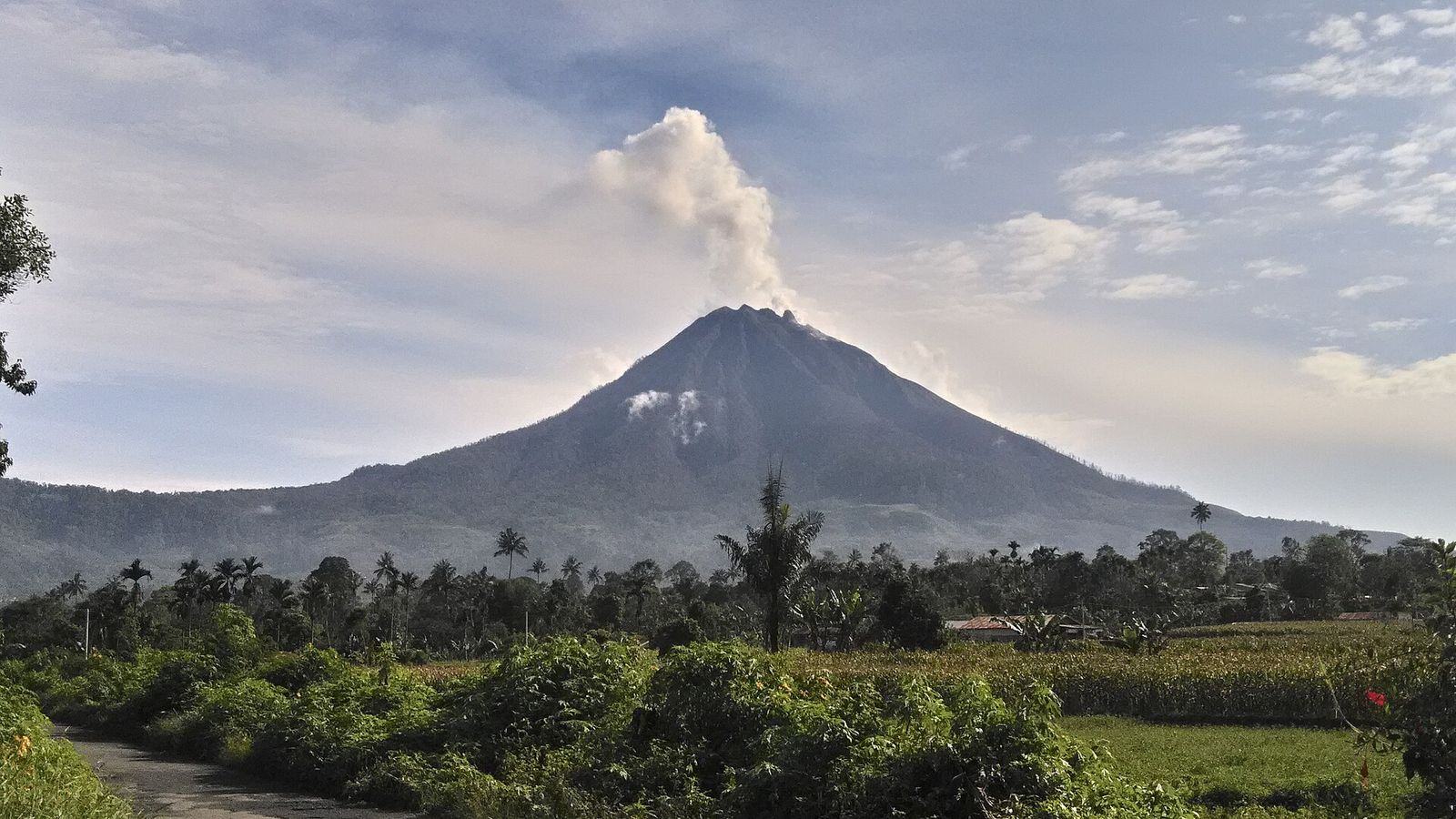
 Foto: Pavel Kirillov ·
 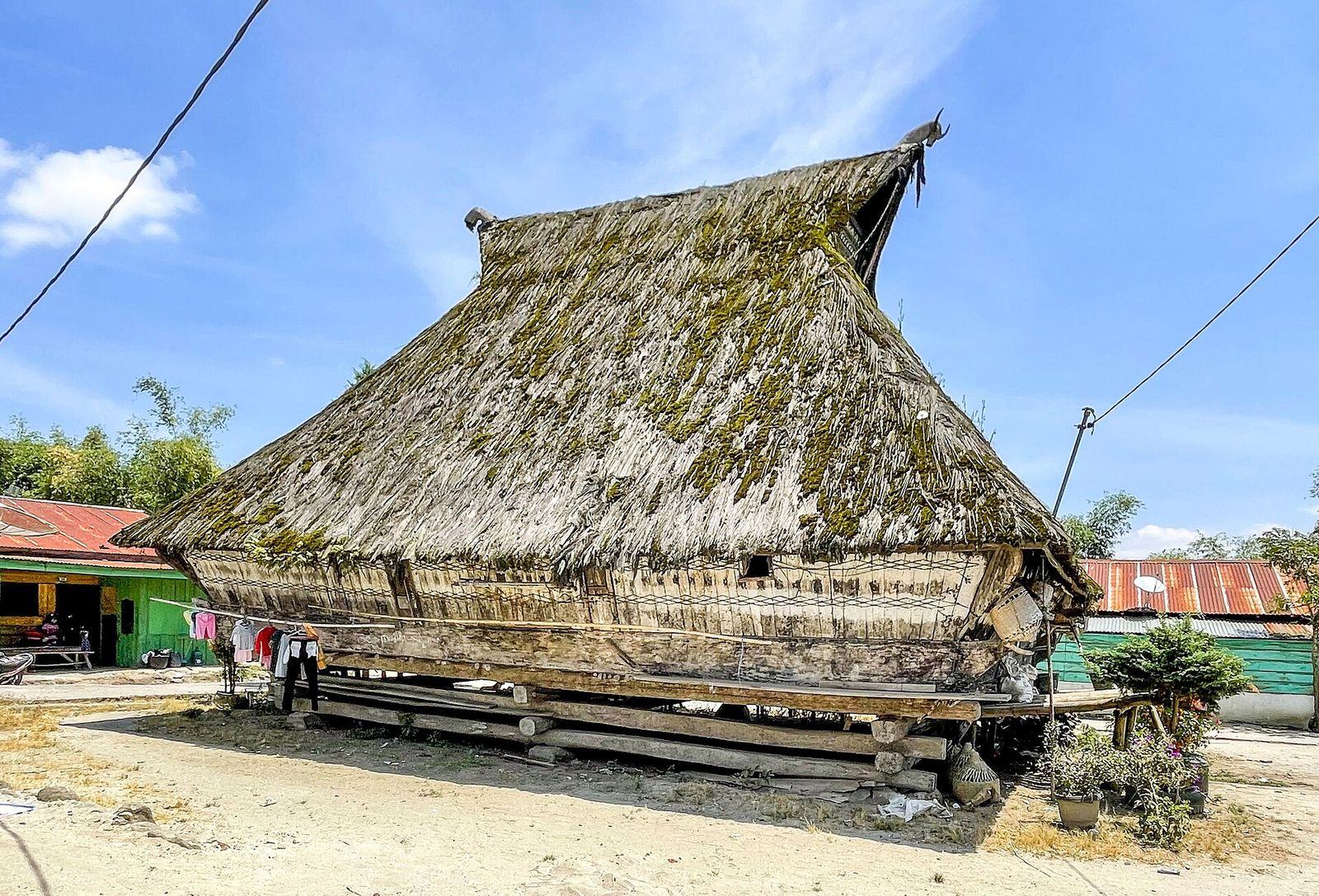 Foto: Christian Advs Sltg ·
 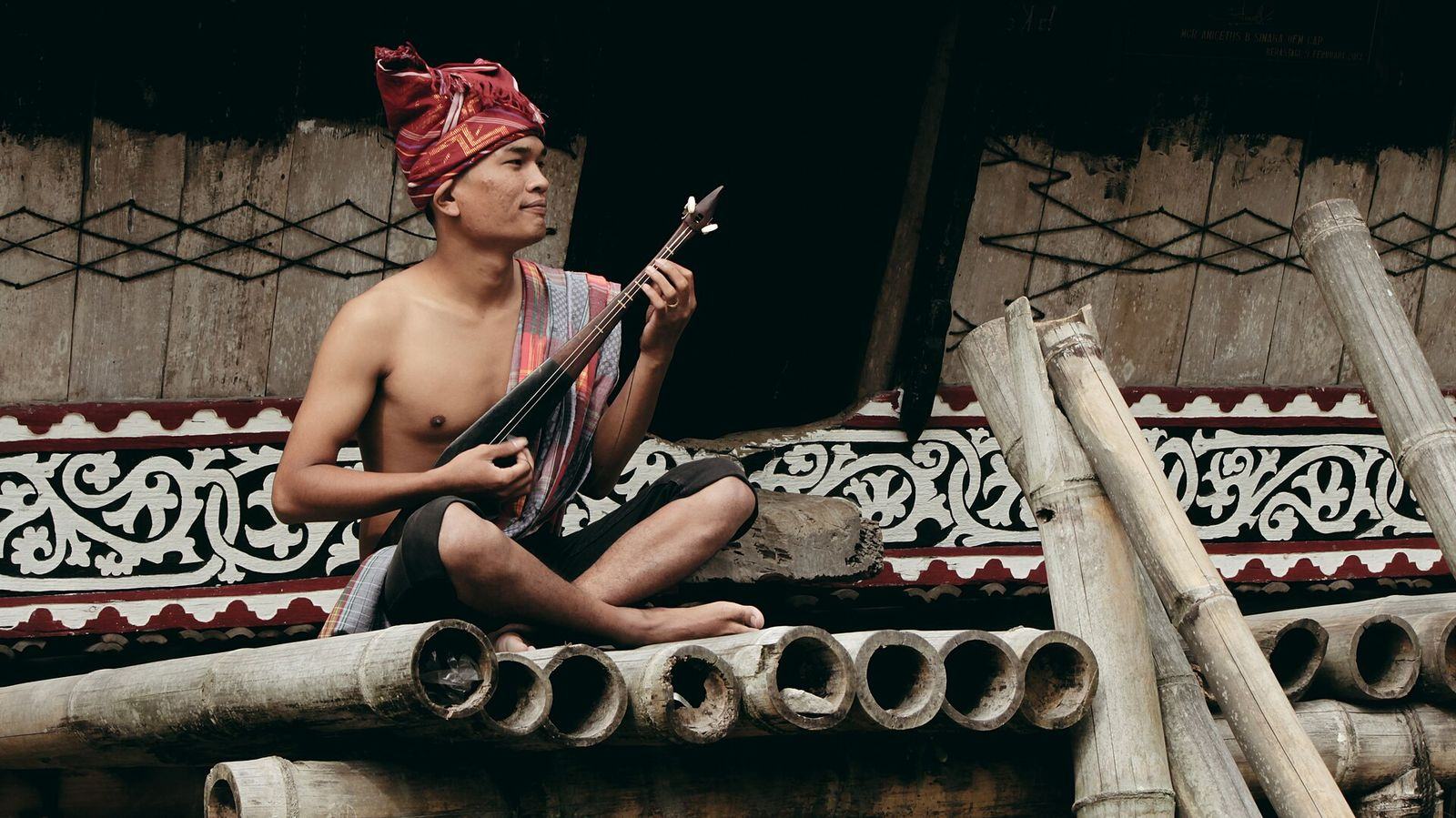 Foto: Stanley Sugiyata Seran ·
 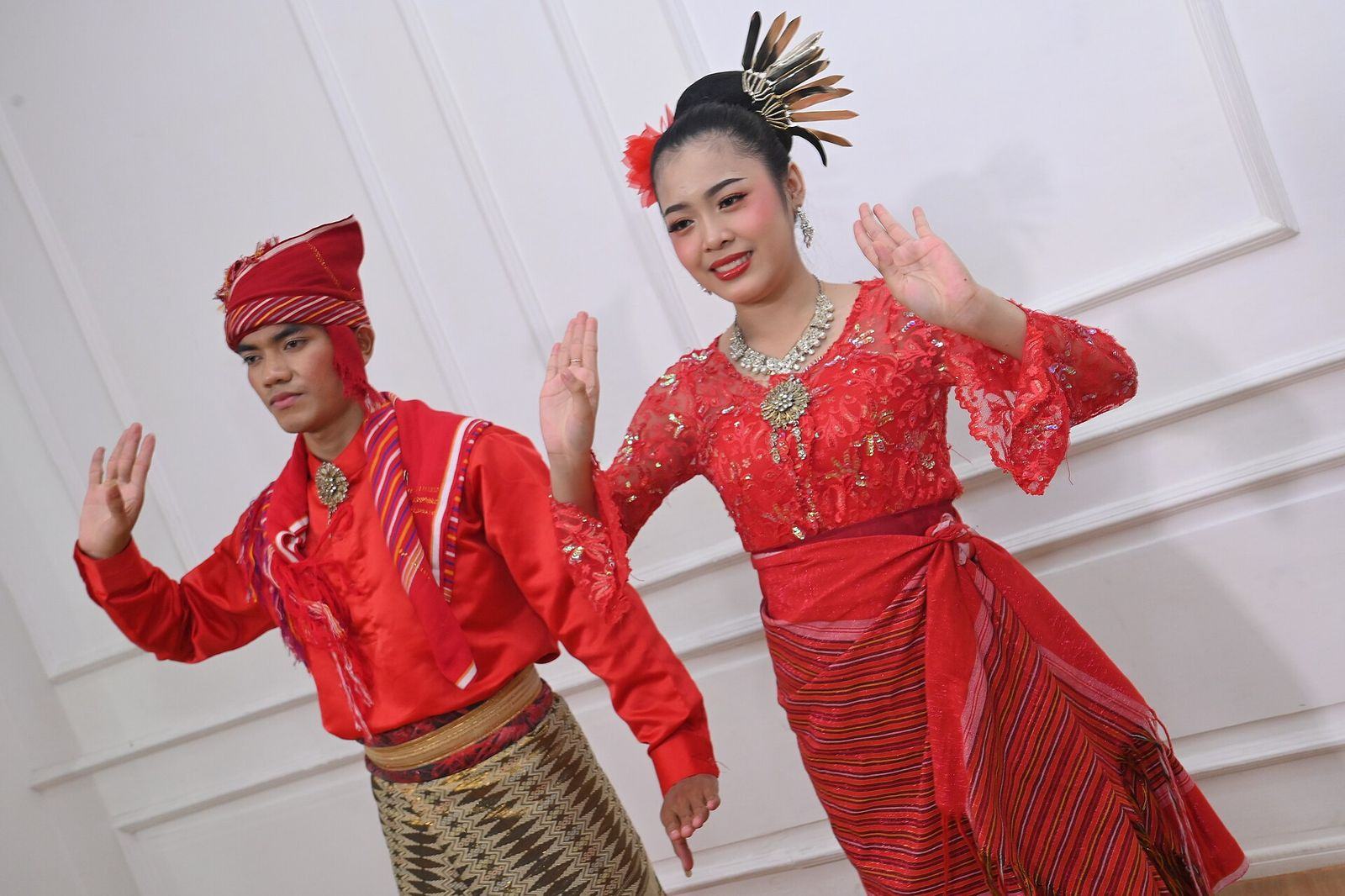 Foto: Sokokuphoto ·
 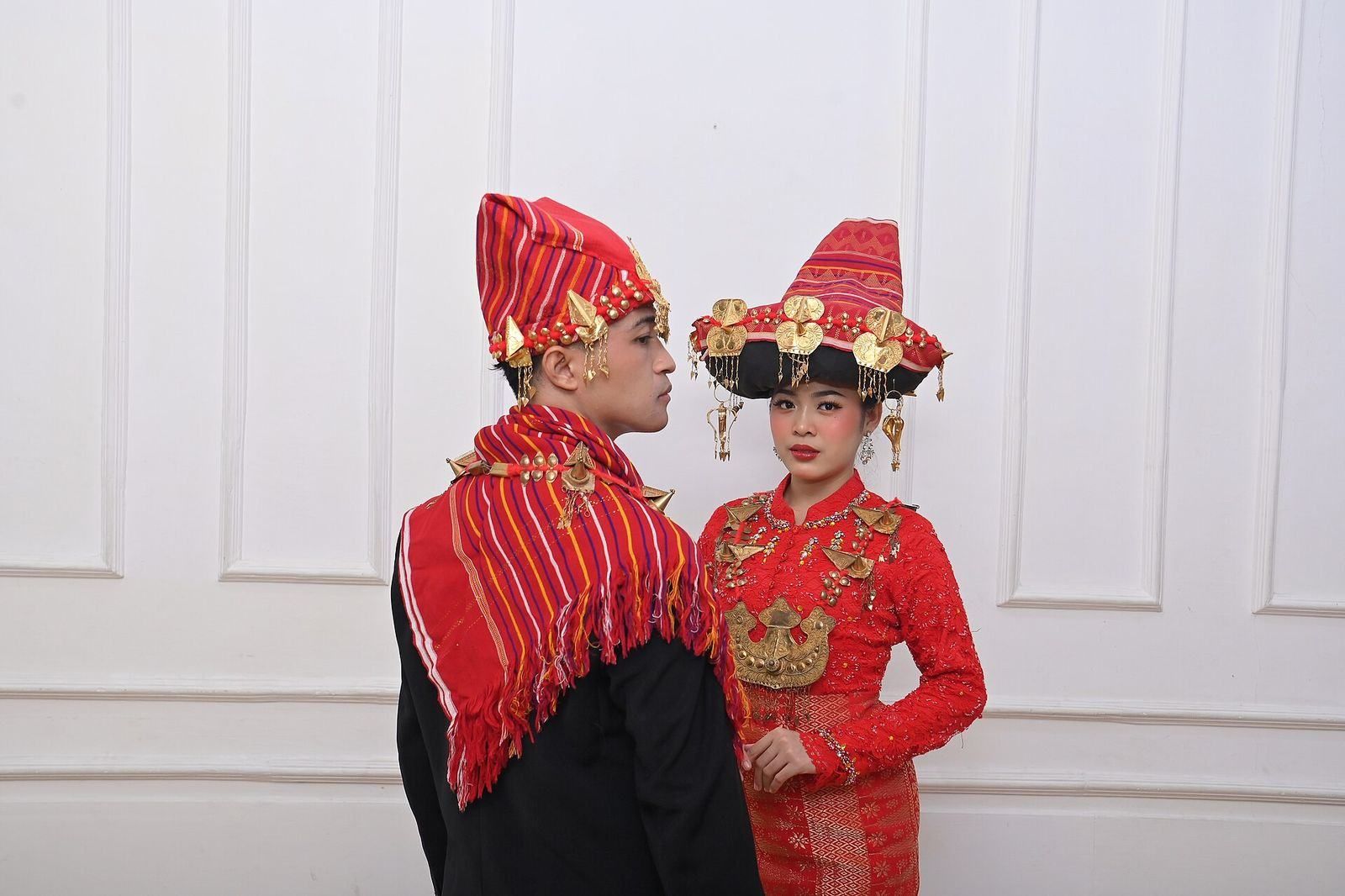 Foto: Sokokuphoto ·
Kinship
Merga Silima
The five main clans of the Karo — Karo-karo, Ginting, Tarigan, Sembiring and Perangin-angin — with their sub-clans.
Source: Suku Karo · Merga Silima — Wikipedia
Discover the culture and history of the Karo homeland, learn the Karo language and write in Karo script — all in one place.
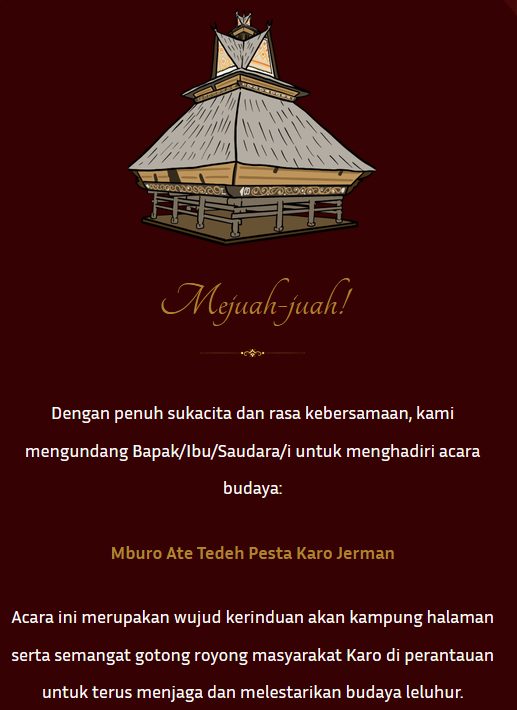 03.10.2026 · 92318 Pölling Neumarkt in der Oberpfalz Bayern, Germany
Mburo Ate Tedeh - Pesta Karo Jerman
View event →
03.10.2026 · 92318 Pölling Neumarkt in der Oberpfalz Bayern, Germany
Mburo Ate Tedeh - Pesta Karo Jerman
View event →
The five main clans of the Karo — Karo-karo, Ginting, Tarigan, Sembiring and Perangin-angin — with their sub-clans.
Source: Suku Karo · Merga Silima — Wikipedia
The three pillars of social relations: kalimbubu, senina and anak beru. The basis of every adat ceremony.
Source: Rakut Sitelu — Wikipedia
A traditional house for eight families under one roof, with buffalo horns on the ridge.
Source: Siwaluh Jabu, Melawan Waktu — BPODT Kemenpar
Karo woven cloths such as uis gara and uis nipes, worn according to role and occasion.
Source: Uis Gara — Wikipedia · Mengenal Uis Gara — detikSumut
A festival of young people with landek (dance) and music, usually held during Kerja Tahun.
Source: Gendang guro-guro aron — Wikipedia
A traditional music ensemble: sarune, gendang singindungi, gendang singanaki, penganak and gung.
Source: Penyajian Musik Gendang Lima Sendalanen — Repositori Unimed
Collected automatically from trusted newspapers. Click a headline to read the full article on the original site.
News items are shown in their original language, Indonesian.
„Mahkamah Agung (MA) menyatakan Amry KS Pelawi tidak terbukti bersalah dalam korupsi pembuatan profil desa di Karo.“
Open article at detikSumut ↗
„Mie Ayam Luber di Berastagi menawarkan topping ayam melimpah dengan cita rasa manis gurih. Suasana nyaman dan harga terjangkau, hanya Rp35 ribu per porsi.“
Open article at detikSumut ↗
„PT Permodalan Nasional Madani (PNM) Cabang Kabanjahe masih menunggu finalisasi petunjuk teknis (juknis) terkait penerapan skema pembiayaan PNM Mekaar dengan suku bunga 8 % bagi nasabah di wilayah kerjanya.Kepala Cabang …“
Read more at ANTARA Sumut ↗
„Sebuah video yang menampilkan diduga aksi pungutan liar (pungli) kembali terjadi di kawasan wisata Sidebuk-debuk, Kabupaten Karo, beredar di media sosial.“
Open article at detikSumut ↗
„Wakil Rektor Kampus IT&B Karo berinisial AS (38) ditemukan tewas di kamar mandi rumahnya. Mobil dan sejumlah barang milik korban tidak ditemukan di lokasi.“
Open article at detikSumut ↗
„Gubernur Sumatera Utara Muhammad Bobby Afif Nasution meminta masyarakat dan media menghindari komentar negatif serta perundungan di media sosial agar pemulihan fisik dan psikologis siswa korban dugaan keracunan MBG di …“
Read more at Tempo ↗
„Curah hujan dengan intensitas tinggi yang mengguyur wilayah sekitar Gunungapi Sinabung, Kabupaten Karo, Sumatera Utara, sejak Selasa pagi (8/9/2026), memicu turunnya aliran lahar dingin yang terbawa ke sejumlah aliran …“
Read more at ANTARA Sumut ↗
„Gubernur Sumatera Utara Bobby Afif Nasution memastikan sebanyak 280 warga Desa Kuta Tengah, Kabupaten Karo, Sumatera Utara, telah dievakuasi ke lokasi pengungsian menyusul peningkatan aktivitas Gunung Sinabung yang kini …“
Read more at ANTARA Sumut ↗
„Bupati Karo Brigjen Pol (Purn) Antonius Ginting bersama Wakil Bupati Karo Komando Tarigan dan Forum Koordinasi Pimpinan Daerah (Forkopimda) Kabupaten Karo makan malam bersama warga terdampak erupsi Gunung Sinabung di …“
Read more at ANTARA Sumut ↗
Short quotes from the RSS feeds of detikSumut, ANTARA Sumut, Tribun Medan, Tempo. Copyright remains with the publishers.
The next three days for every district, updated several times a day.
Data source: BMKG (Indonesian Agency for Meteorology, Climatology and Geophysics).
The Karo people (Kalak Karo) have a very independent and strong cultural identity. Unlike colonial anthropology, which often grouped them with the Batak, the Karo have their own history of migration, their own adat system and their own linguistic roots, which existed long before that narrative was formed.
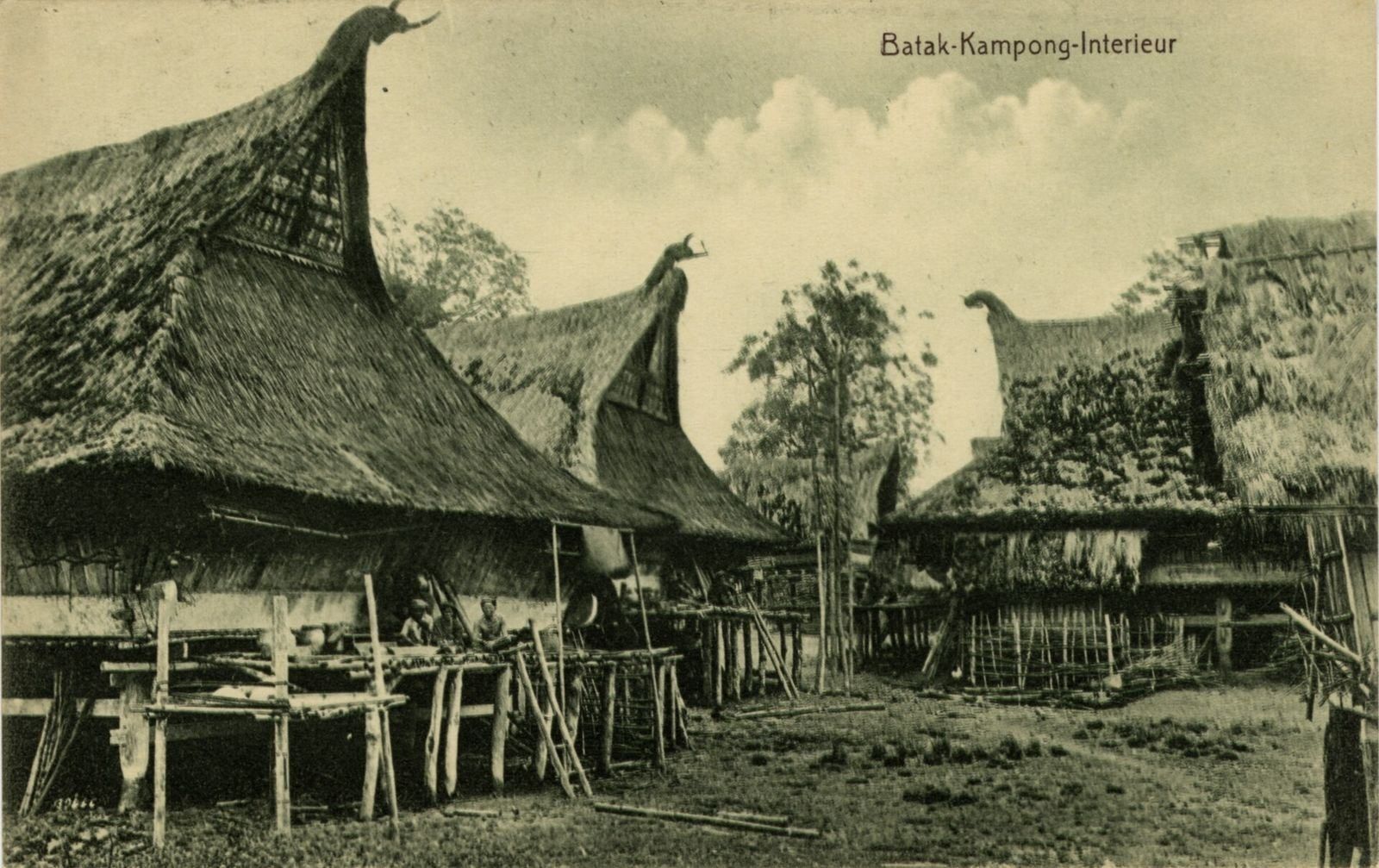 Foto: C.J. Kleingrothe, sekitar 1900 · KITLV / Wikimedia Commons · domain publik
The oldest political traces of the Karo are often linked to the Kingdom of Haru (Aru), thought to have existed since the early centuries AD. At its height its territory was vast, stretching from Aceh Besar to the Siak River in Riau. South Indian influence: Early spiritual traces show an ancient Hindu-Buddhist influence brought by traders or immigrants from South India. This can be seen in the Karo script (Surat Aru), which derives from the Pallava script, and in old traditions of the Sembiring clan (Sembiring Singombak) in Seberaya village, historically connected with ancient Hindu worship rituals.
Source: https://erlajar.karokab.go.id/
The Karo land was divided into urung and sibayak territories, such as Lingga, Sarinembah, Suka, Barusjahe and Kutabuluh.
Colonial troops took the Karo highlands after resistance from the people.
Kiras Bangun (Garamata) led the resistance against the Dutch; he was later named a National Hero.
During the Dutch military aggression, the Karo burned their own villages so the enemy could not use them.
Sinabung erupted again after lying dormant for hundreds of years, changing life in many villages around it.
The Karo do not live only in Karo Regency. The Karo Gugung inhabit the highlands; the Karo Jahe live in the uplands of Deli Serdang and Langkat. They number about 1.1 million people (2010 census).
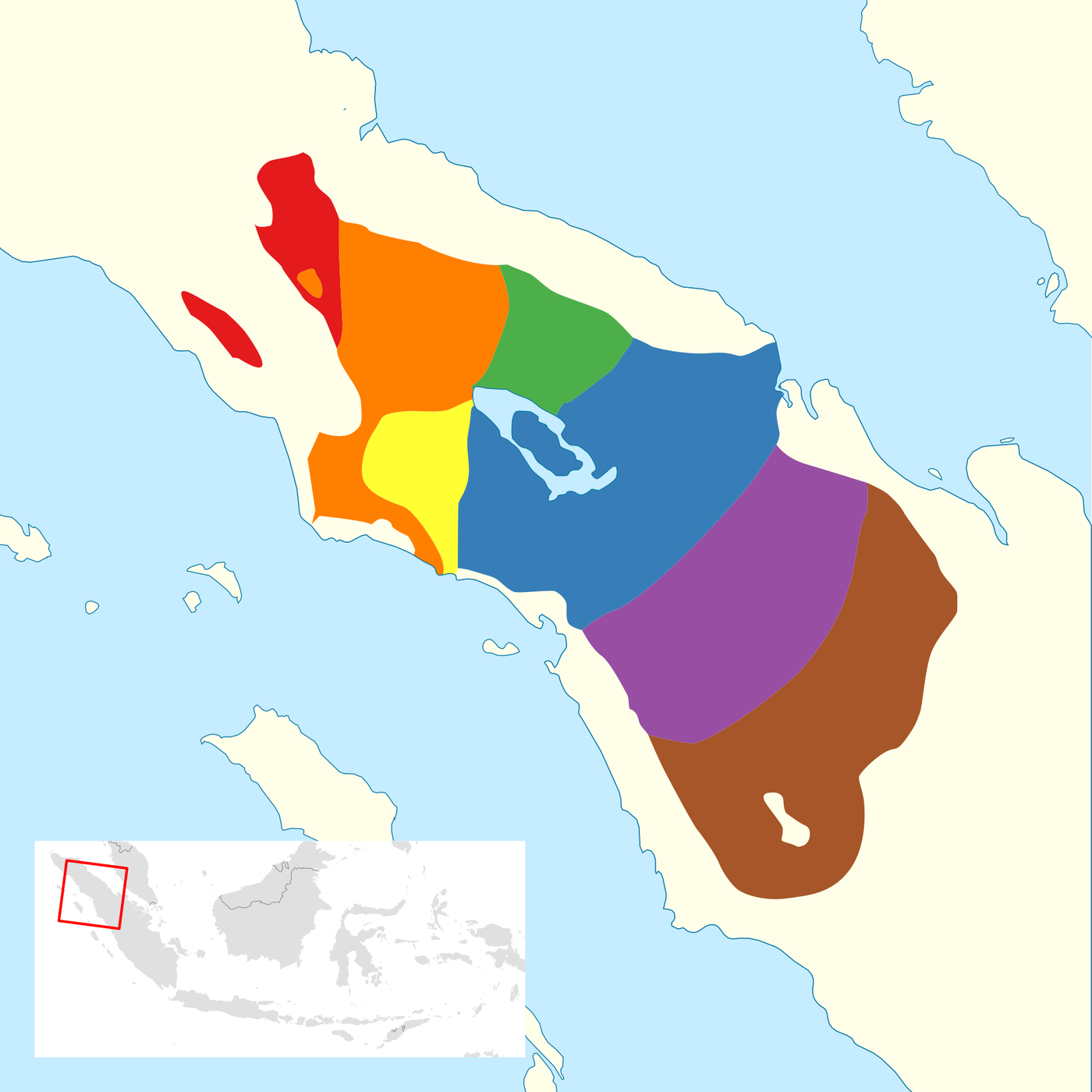 Foto: Masjawad99 · Wikimedia Commons · CC BY-SA 4.0
The highlands around Sinabung and Sibayak, homeland of the Karo — Taneh Karo Simalem. About 422,000 inhabitants.
Districts: Kabanjahe, Berastagi, Simpang Empat, Merek, Barusjahe, Tigapanah, Munte, Payung, Tigabinanga, dan lainnya (17 kecamatan)
Source: Kabupaten Karo — Wikipedia
The uplands from the slopes of the Bukit Barisan towards Medan, long in contact with the coastal Malays.
Districts: Sibolangit, Pancur Batu, Kutalimbaru, Sibiru-biru, Namorambe, Sunggal, Deli Tua, Gunung Meriah, STM Hulu, STM Hilir
Source: Suku Karo — Wikipedia · Sejarah Migrasi Etnis Karo — Jurnal Unimed
The uplands of Langkat, settled gradually since colonial times through trade and land clearing.
Districts: Bahorok, Kutambaru, Salapian, Sei Bingai, Kuala, Selesai, Batang Serangan, Serapit
Source: Sejarah Migrasi Etnis Karo ke Kecamatan Bahorok — Jurnal Unimed
The part of Dairi bordering Karo Regency, known for its fertile coffee gardens.
Districts: Tanah Pinem, Tigalingga, Gunung Sitember, Siempat Nempu Hilir
Source: Suku Karo — Wikipedia
The districts in northern Simalungun bordering Karo have a sizeable Karo community.
Districts: Dolok Silau, Pamatang Silimahuta, Silimakuta
Source: Suku Karo — Wikipedia
The main destination of Karo migrants. According to tradition, the village of Medan was founded by Guru Patimpus Sembiring Pelawi in the late 16th century.
Source: Suku Karo — Wikipedia
A city between Medan and Langkat with a large Karo community.
Source: Suku Karo — Wikipedia
Outside North Sumatra, Karo also live in Southeast Aceh; the Karo language is closely related to Alas-Kluet.
Districts: Lawe Sigala-gala, Babul Makmur, Semadam
Source: Suku Karo · Batak Karo language — Wikipedia
Mountains, lakes, waterfalls, traditional villages and fruit markets — places worth visiting in the Karo highlands, with a map.
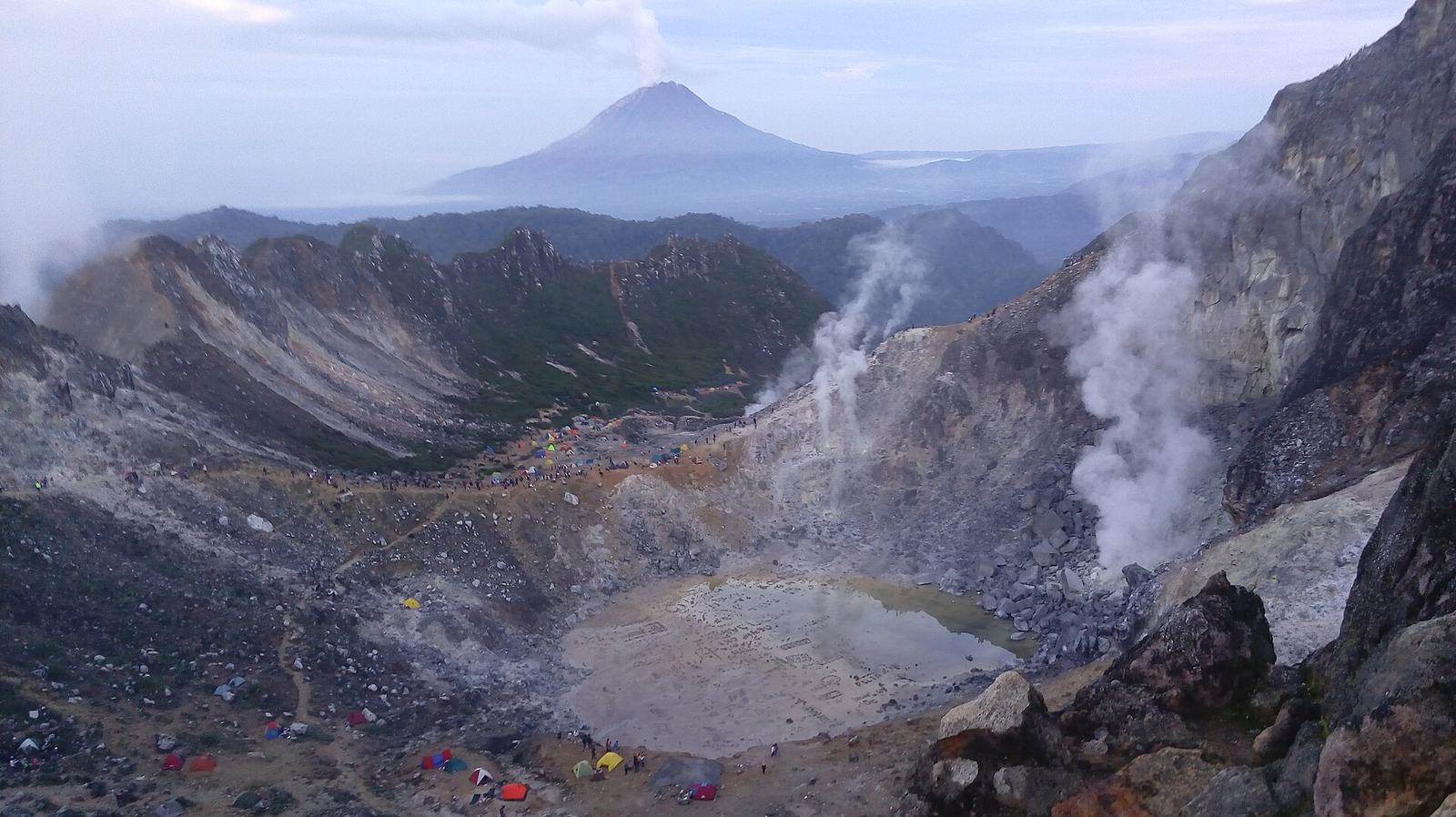 Foto: Palma Bernardo Alexius Hutabarat · Wikimedia Commons · CC BY 2.0 — kawah Sibayak dengan Sinabung
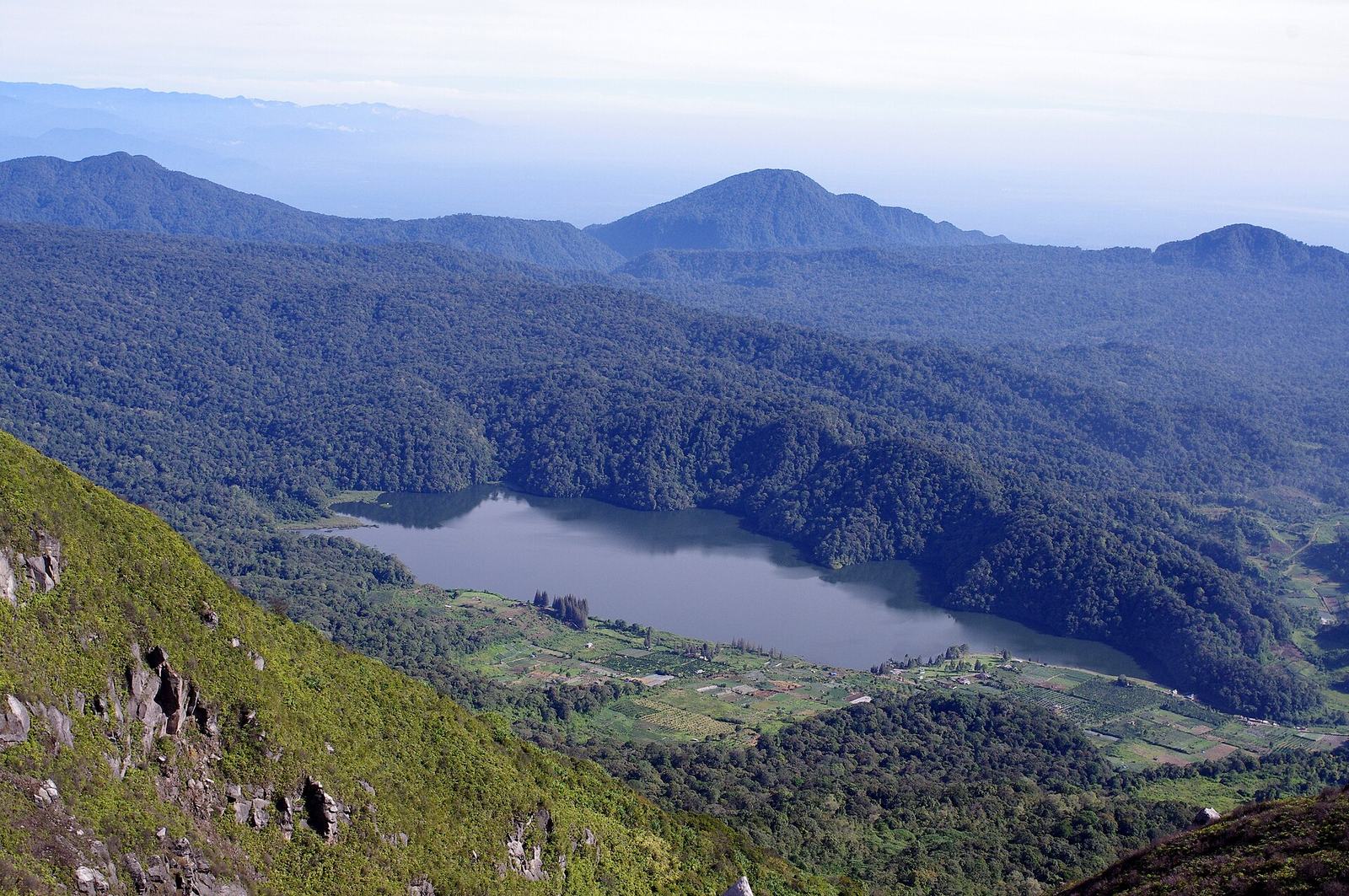 Foto: Bangbeni · Wikimedia Commons · CC BY 2.0
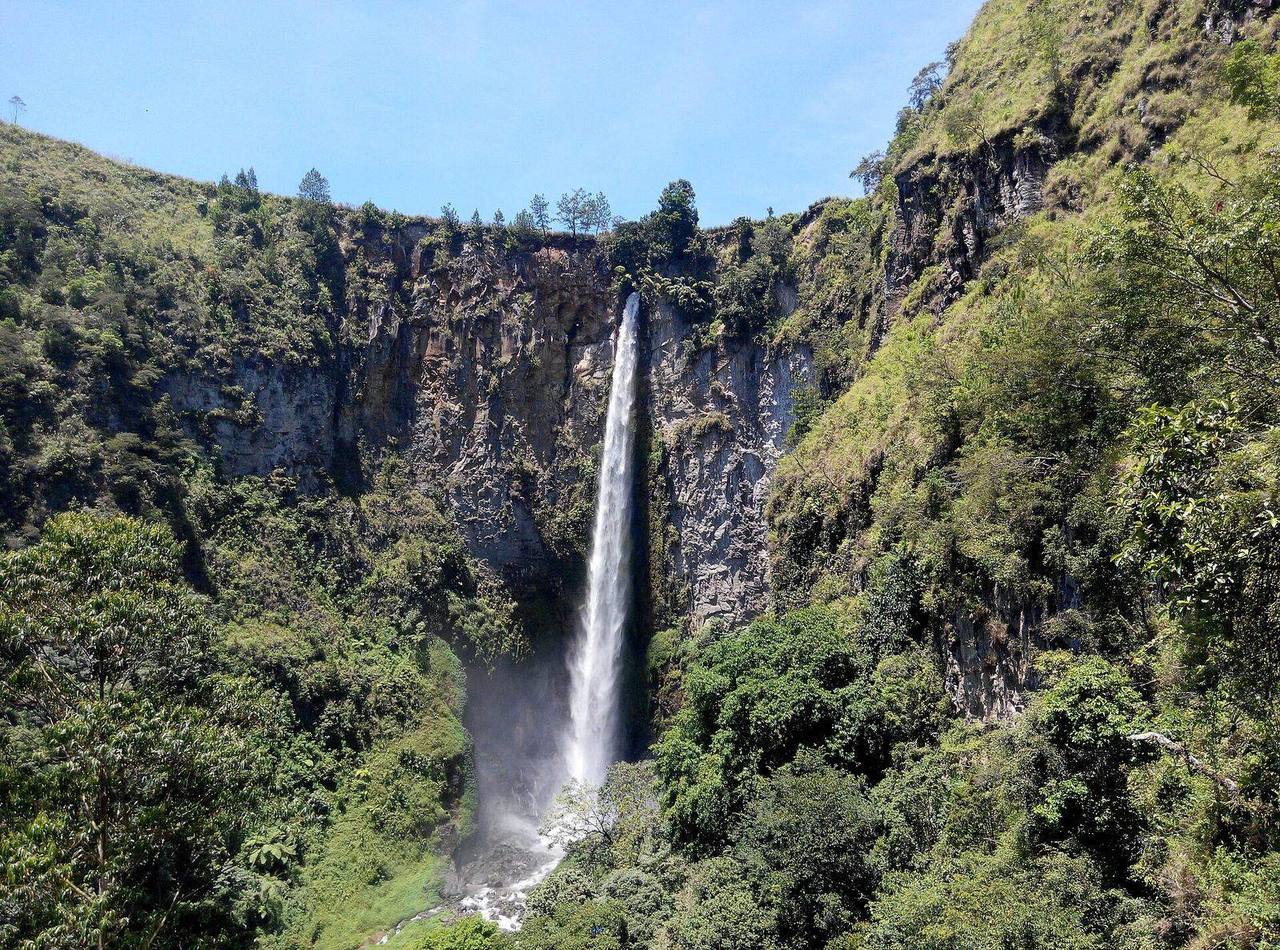 Foto: Hendypernando · Wikimedia Commons · CC BY-SA 4.0
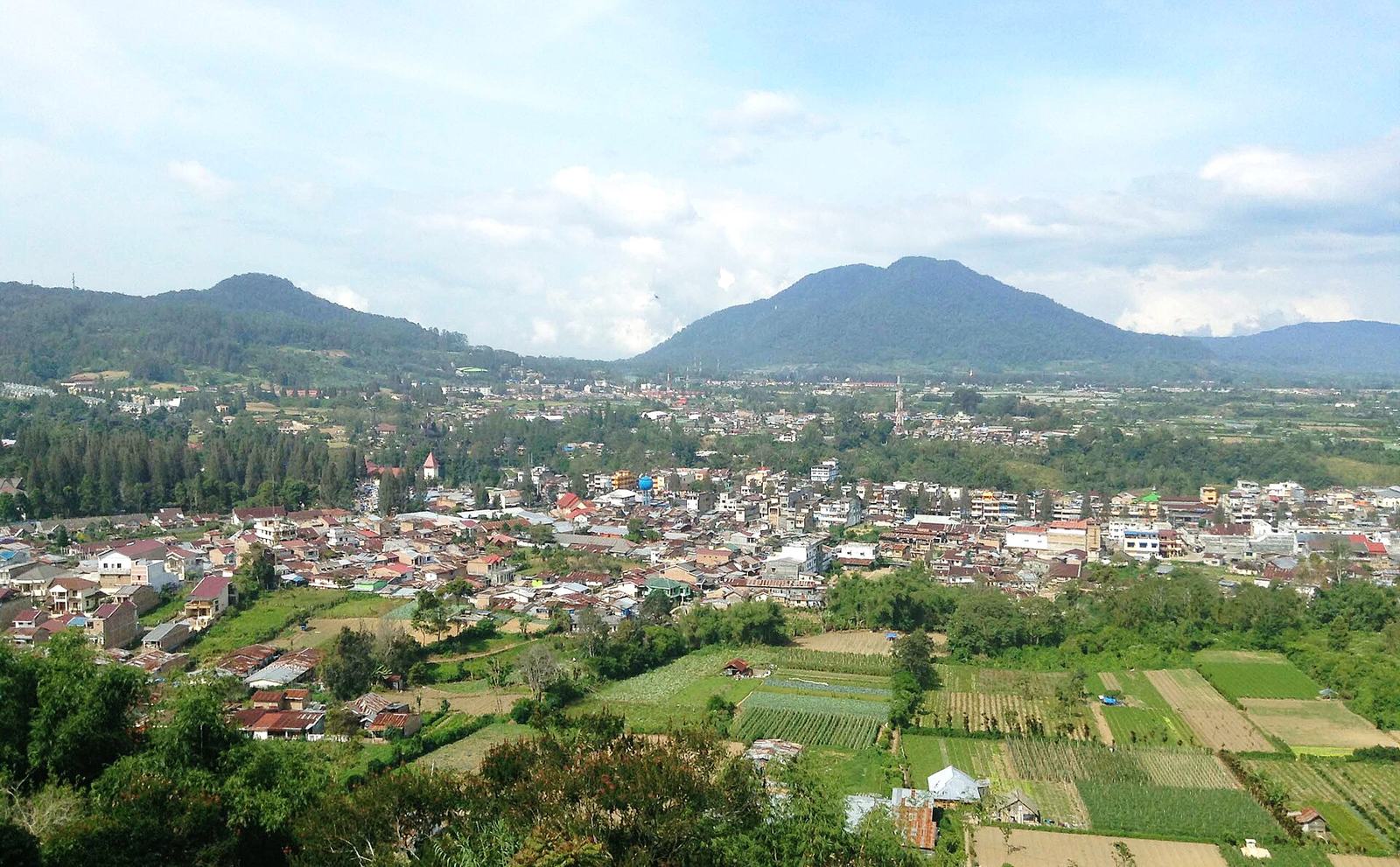 Foto: Christian Advs Sltg · Wikimedia Commons · CC BY-SA 4.0
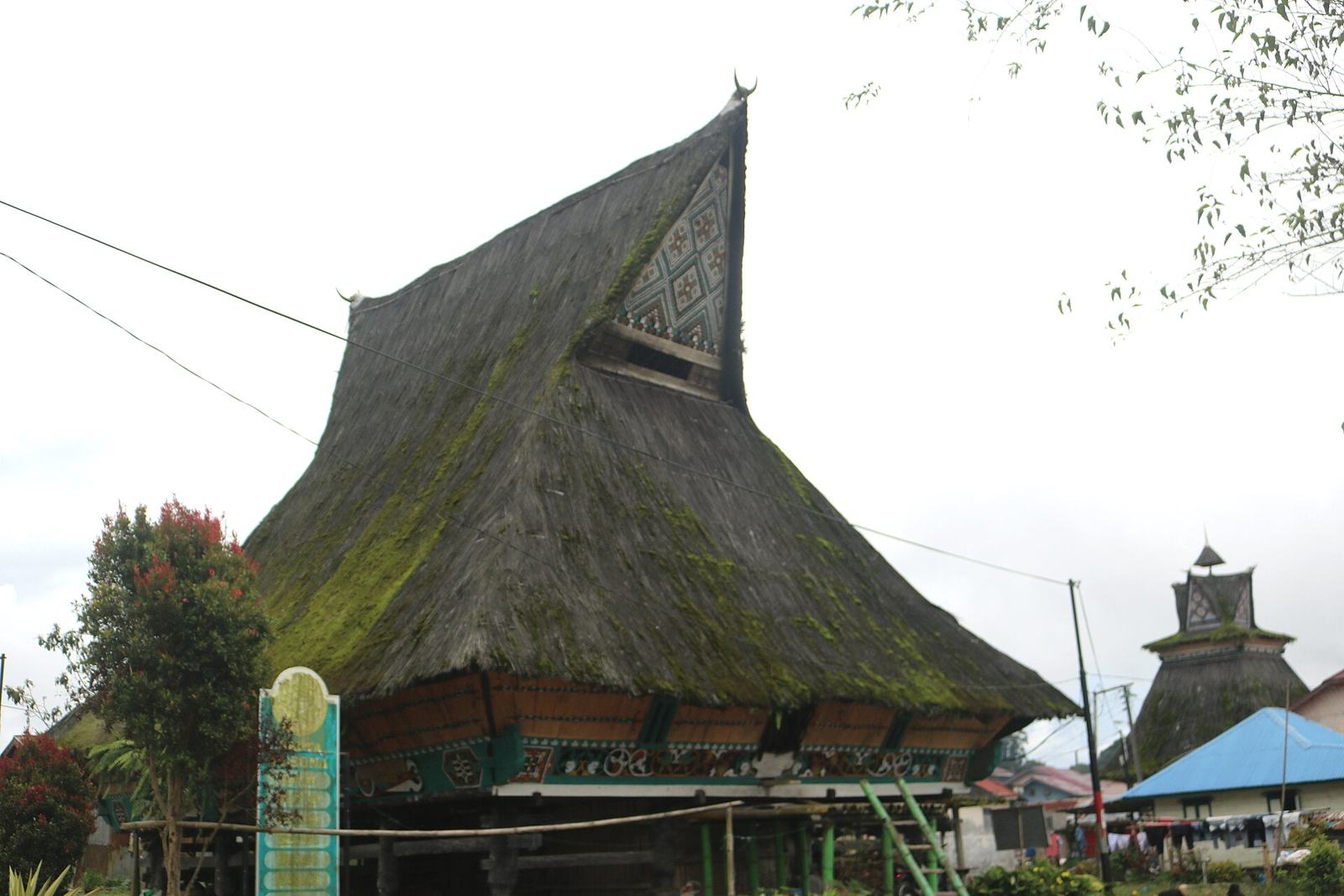 Foto: Agus Damanik · Wikimedia Commons · CC BY-SA 4.0
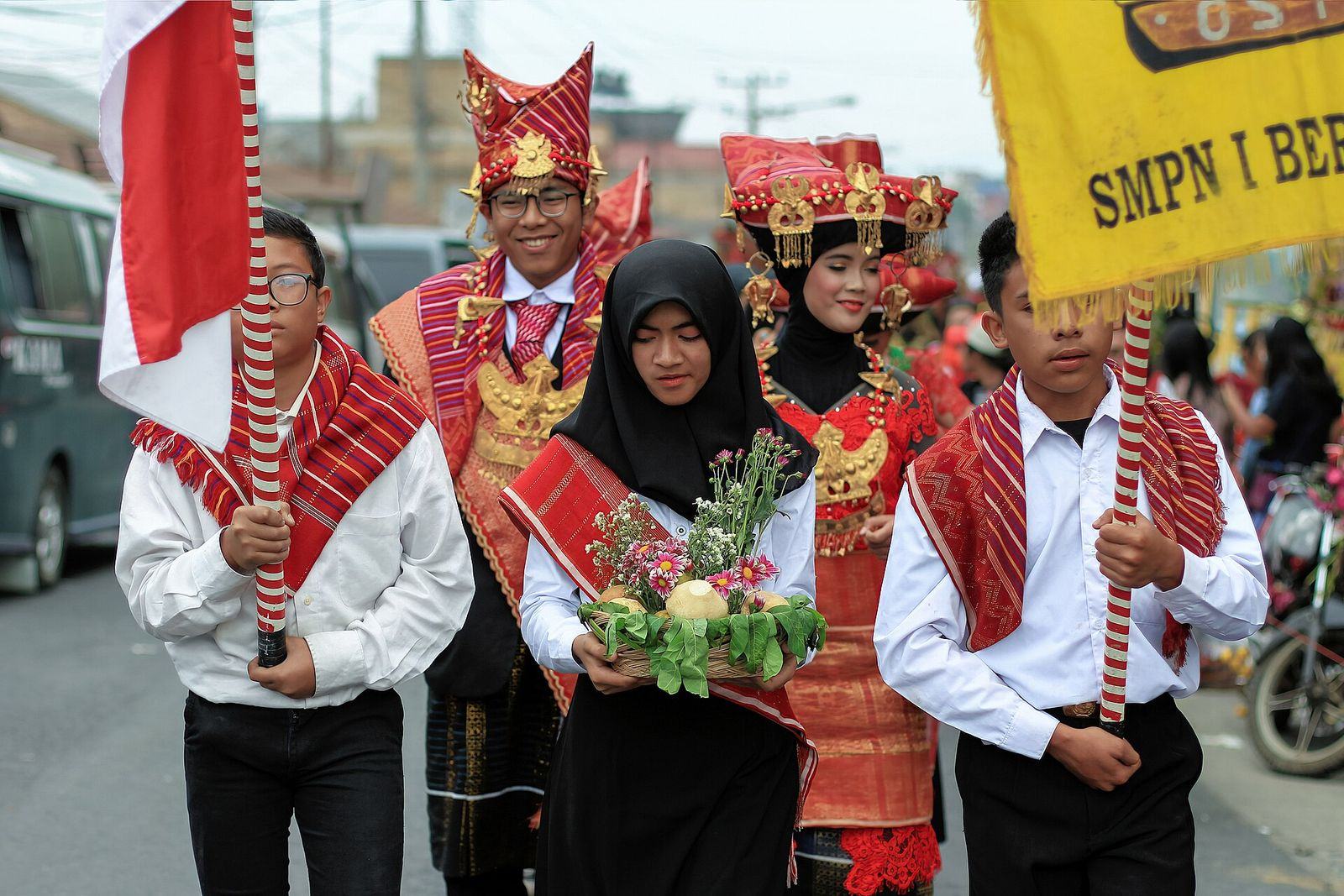 Foto: Bisajunisa · Wikimedia Commons · CC BY-SA 4.0 — Pesta Buah Berastagi 2019
This event expresses longing for the homeland and the spirit of mutual help among Karo people abroad, to keep caring for and preserving the culture of their ancestors.
Source: Jambur Eropa Sada Nioga, WA Group
Each village's harvest thanksgiving; families living away return home, cimpa is served and everyone eats together.
A festival of young people with landek and drums, the high point of Kerja Tahun.
A festival of the Karo highlands' harvest: flower parade, fruit exhibition and cultural performances.
Contests in landek, ende-enden and traditional dress; performances from various districts.
An adat ceremony marking the rice-planting season, with prayers and a shared meal.
Performances of the Gendang Lima Sendalanen at adat events and weddings.
Exact dates for each year will follow — send details of events in your village to the karo-online.com editors.
Karo is a Northern Batak language, closely related to Pakpak and Alas-Kluet, and is spoken in Karo, Langkat, Deli Serdang, Dairi, Medan and Southeast Aceh. Tap 🔊 to hear the pronunciation.
Source: Bahasa Karo · Batak Karo language — Wikipedia
Each base letter stands for a consonant + 'a'. Diacritics (anak surat) change the vowel or silence it. Choose a letter to see its variants.
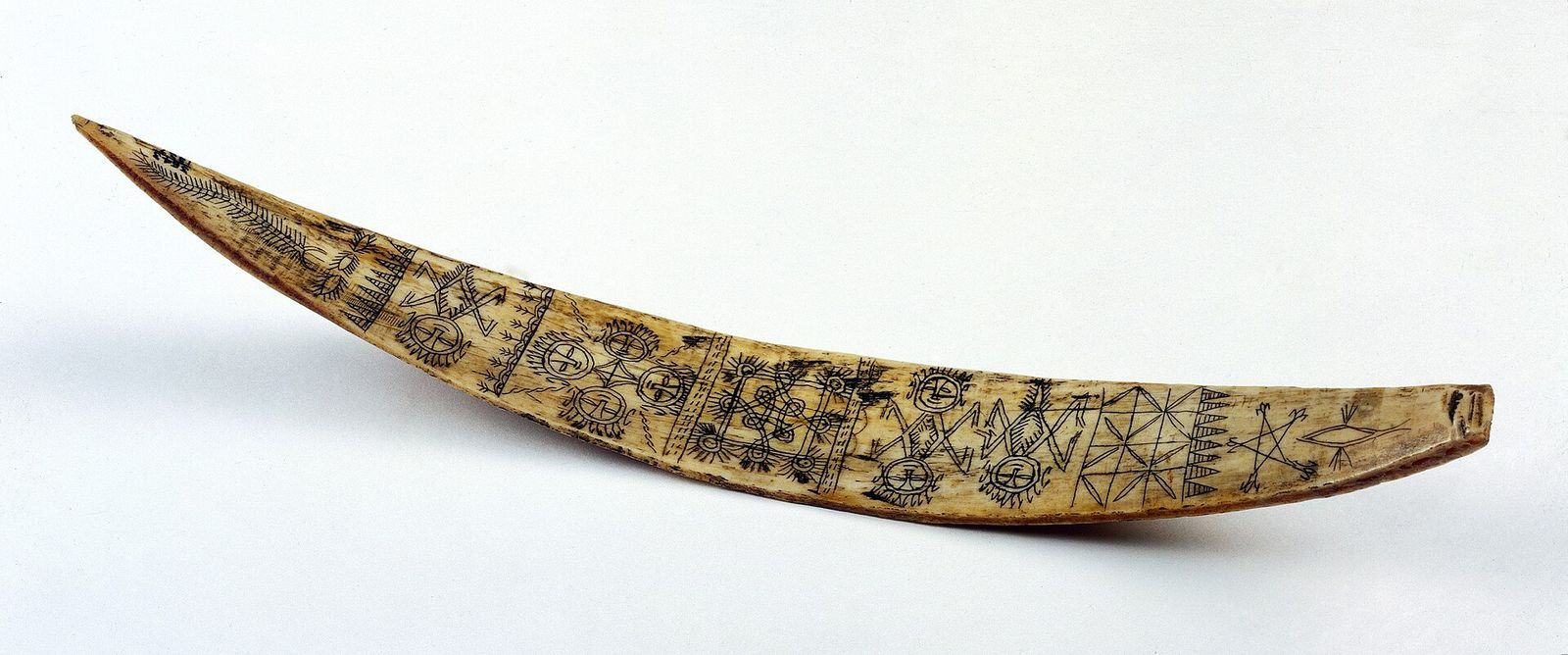 Foto: Wellcome Collection (L0031388) · Wikimedia Commons · CC BY 4.0
The automatic transliteration is approximate. 'e' is read as a schwa (ə), 'é' as an open e.
Source: Surat Batak — Wikipedia · Anak ni Surat — Uli Kozok
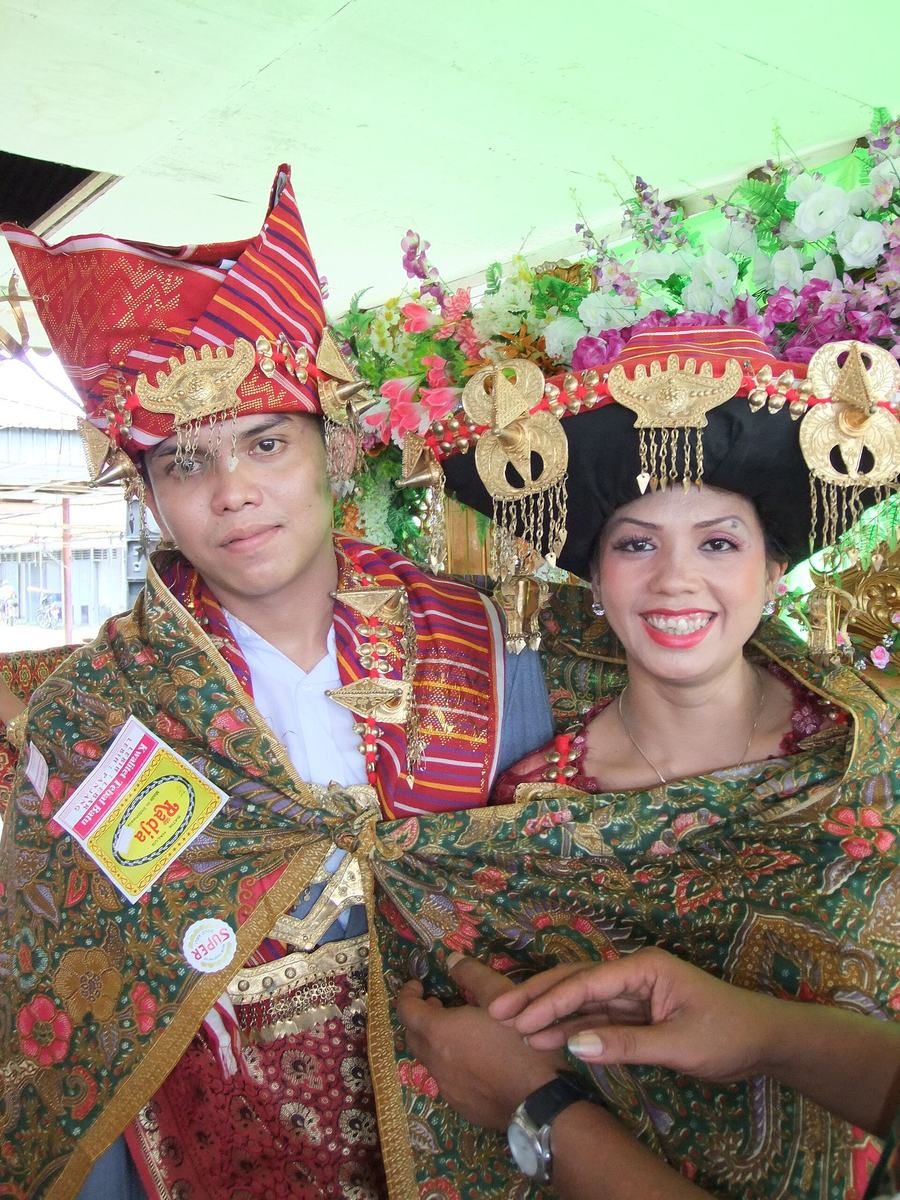 Foto: Picsplease ·
 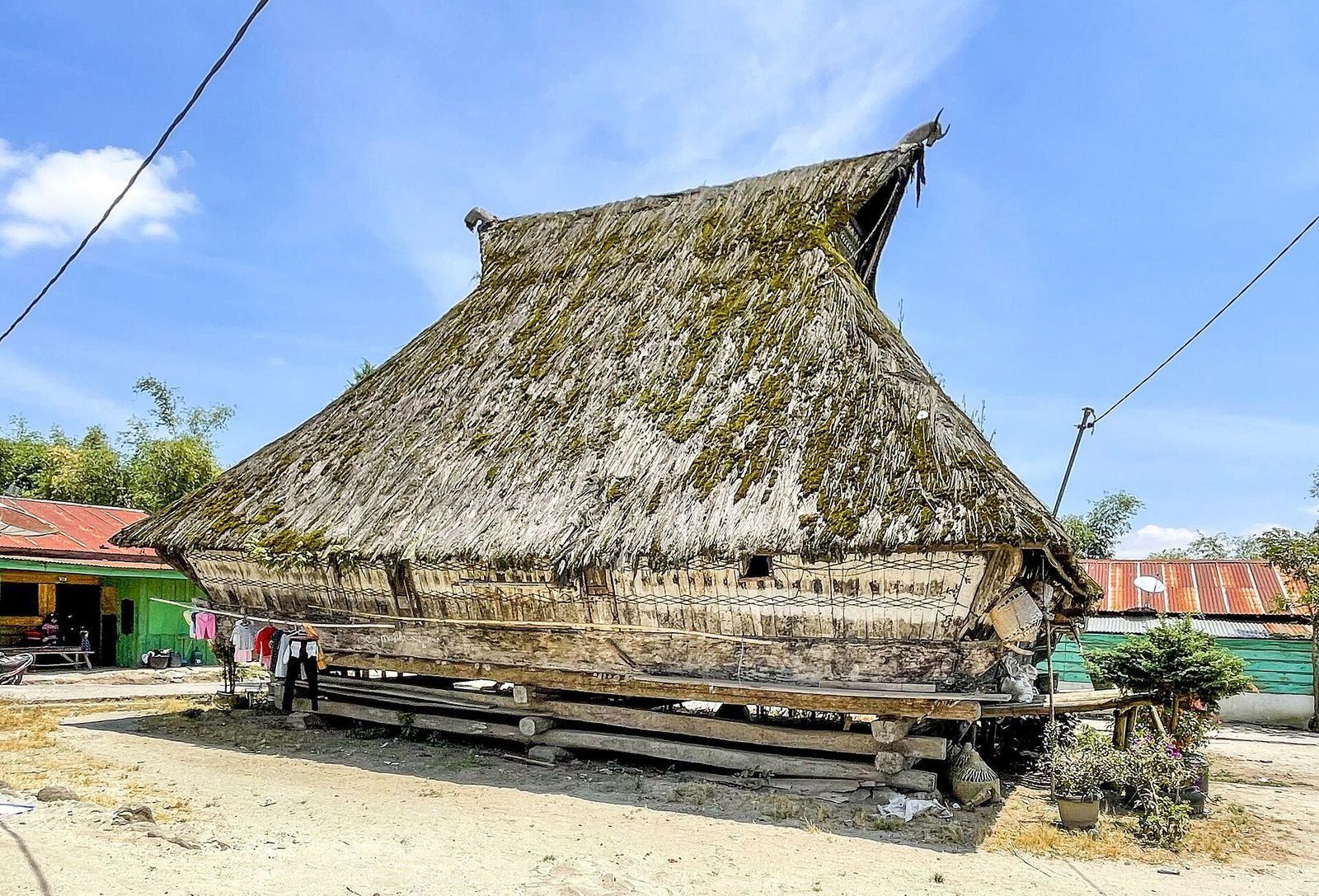 Foto: Christian Advs Sltg ·
 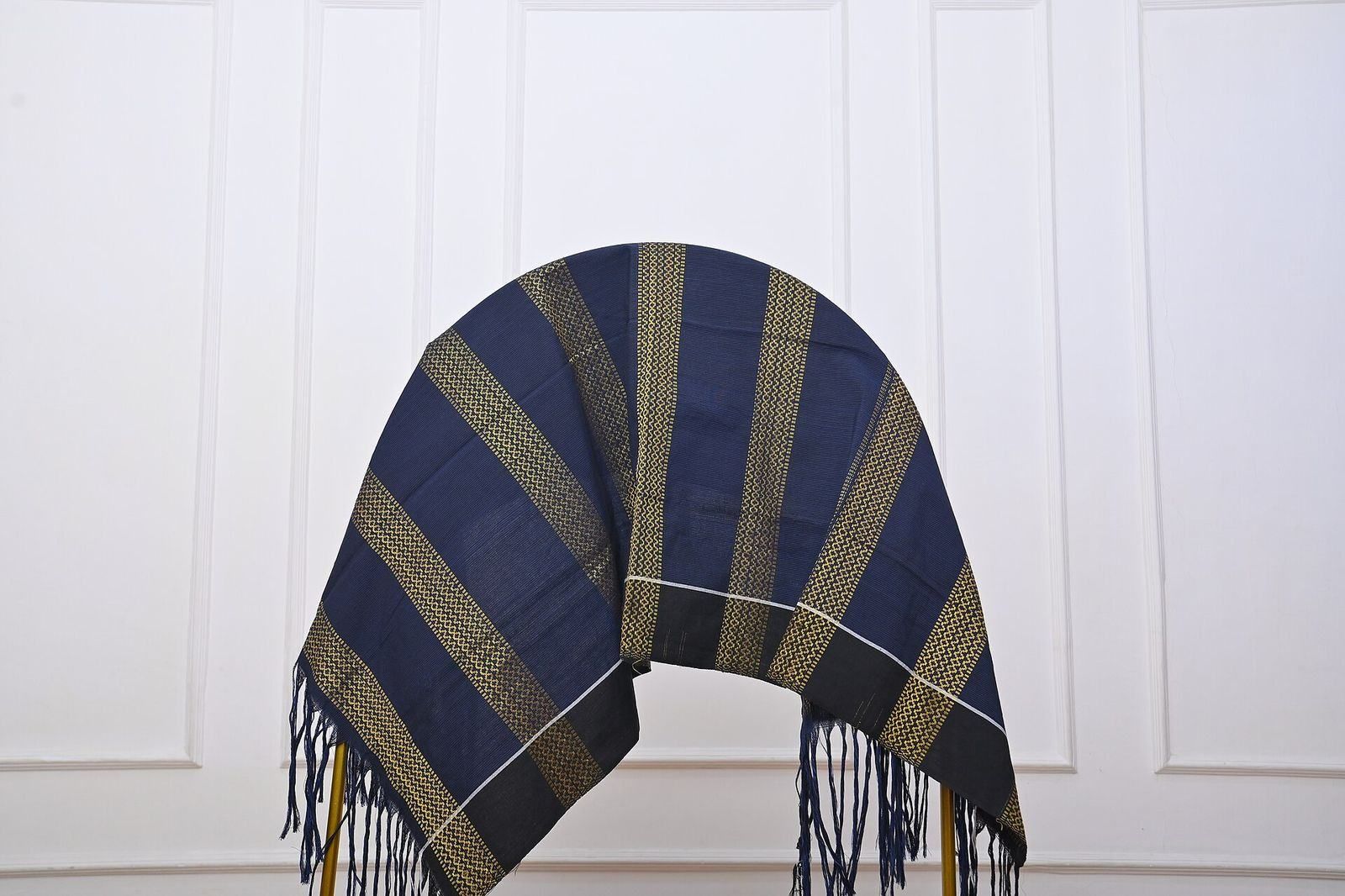 Foto: Sokokuphoto ·
 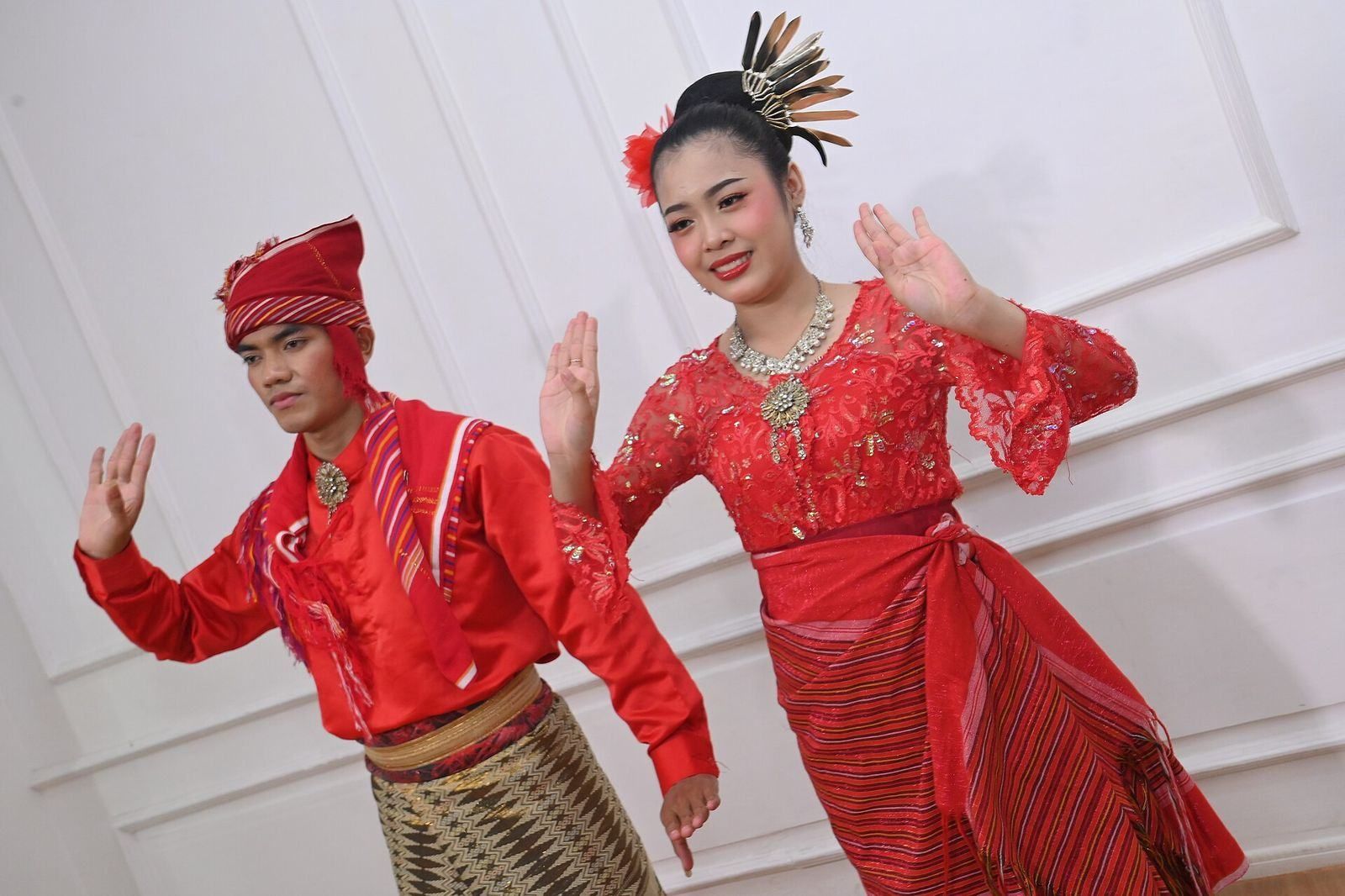 Foto: Sokokuphoto ·
 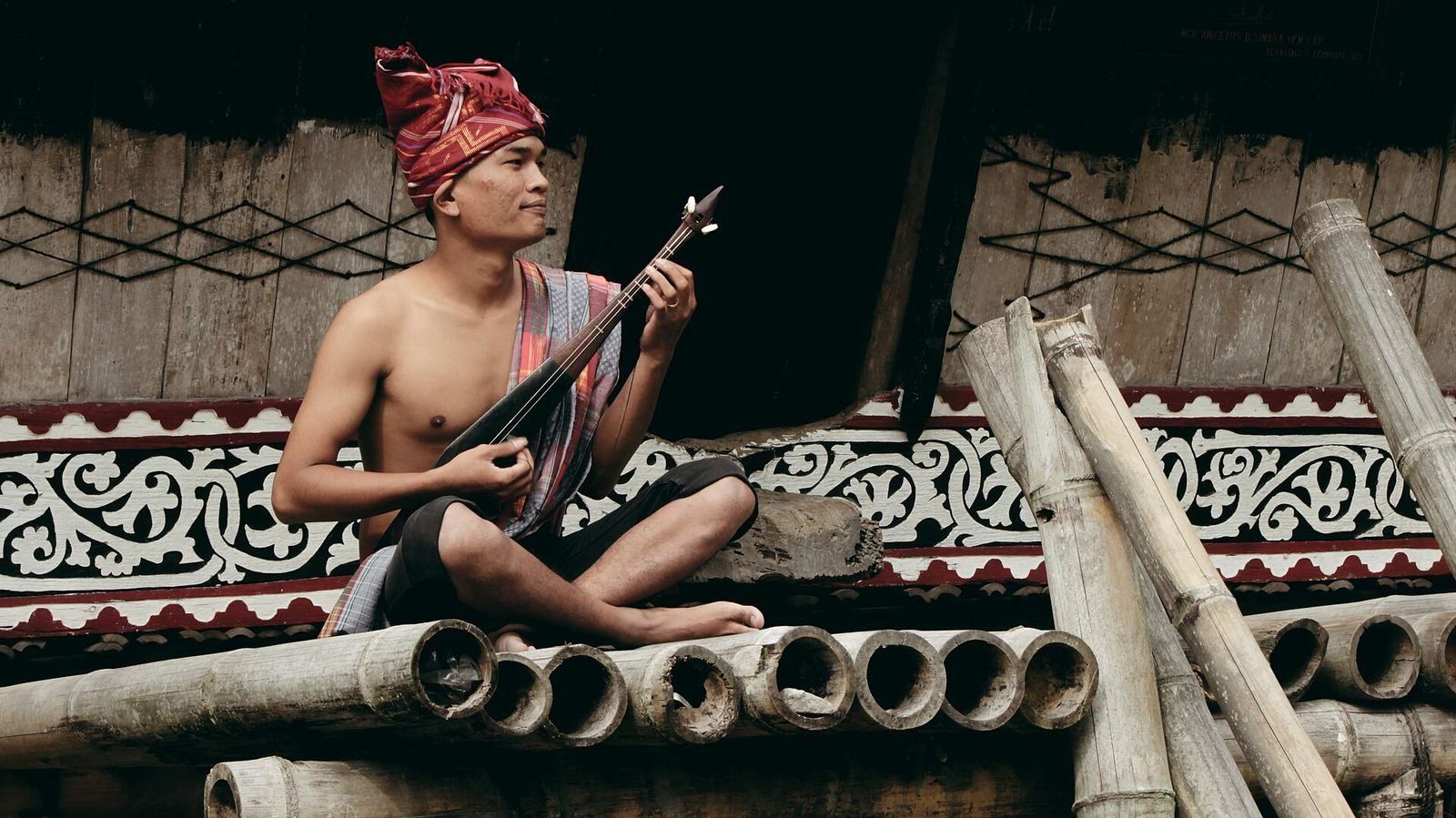 Foto: Stanley Sugiyata Seran ·
 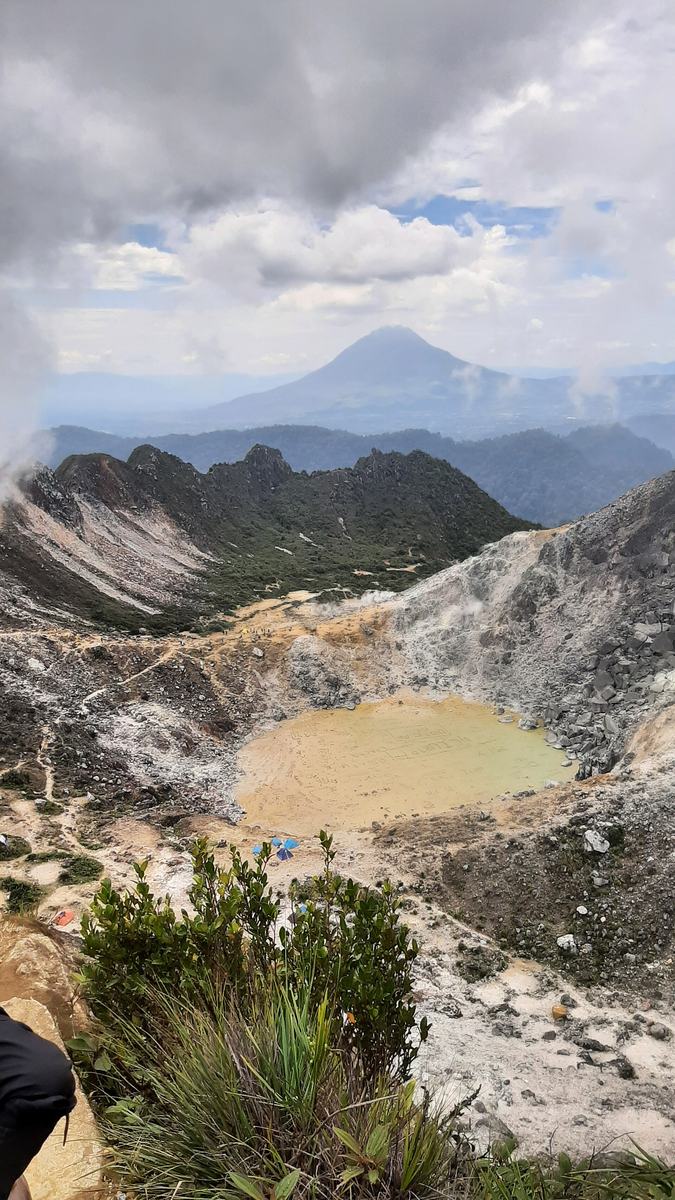 Foto: Ning Gusti · Wikimedia Commons · CC BY 4.0 — kawah dari puncak
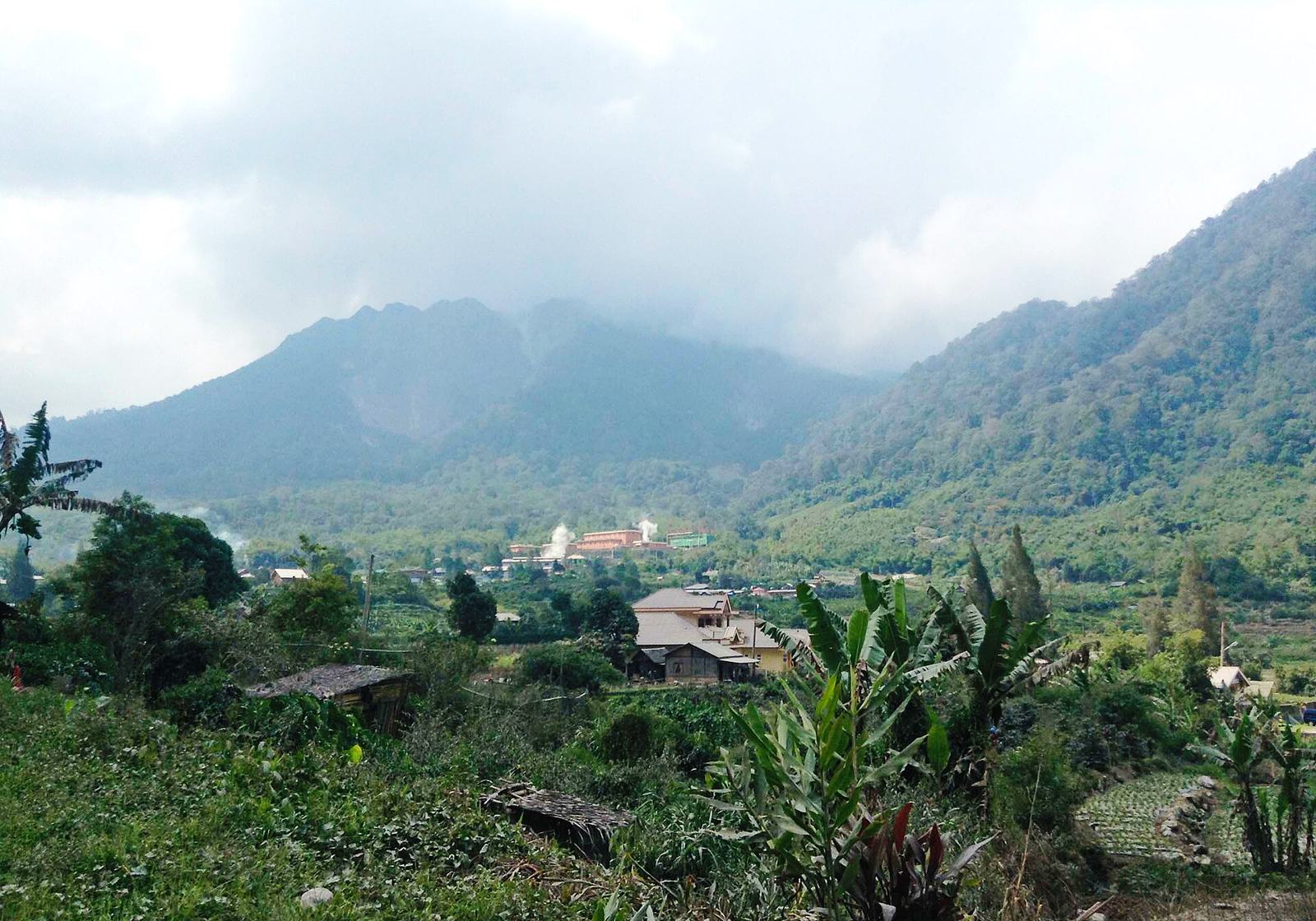 Foto: Christian Advs Sltg · Wikimedia Commons · CC BY-SA 4.0 — dari Semangat Gunung
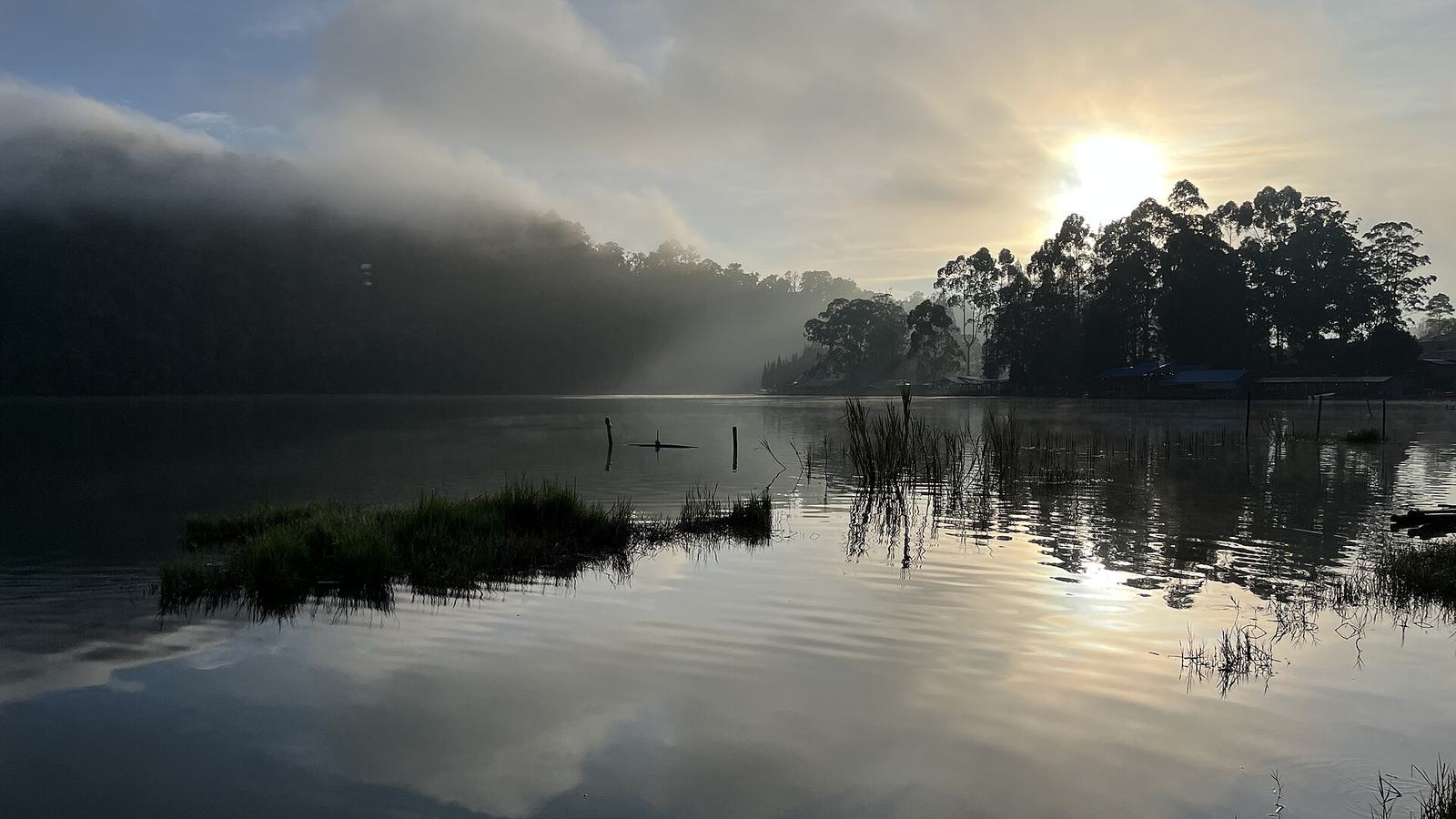 Foto: Nafisathallah · Wikimedia Commons · CC BY-SA 4.0 — matahari terbit
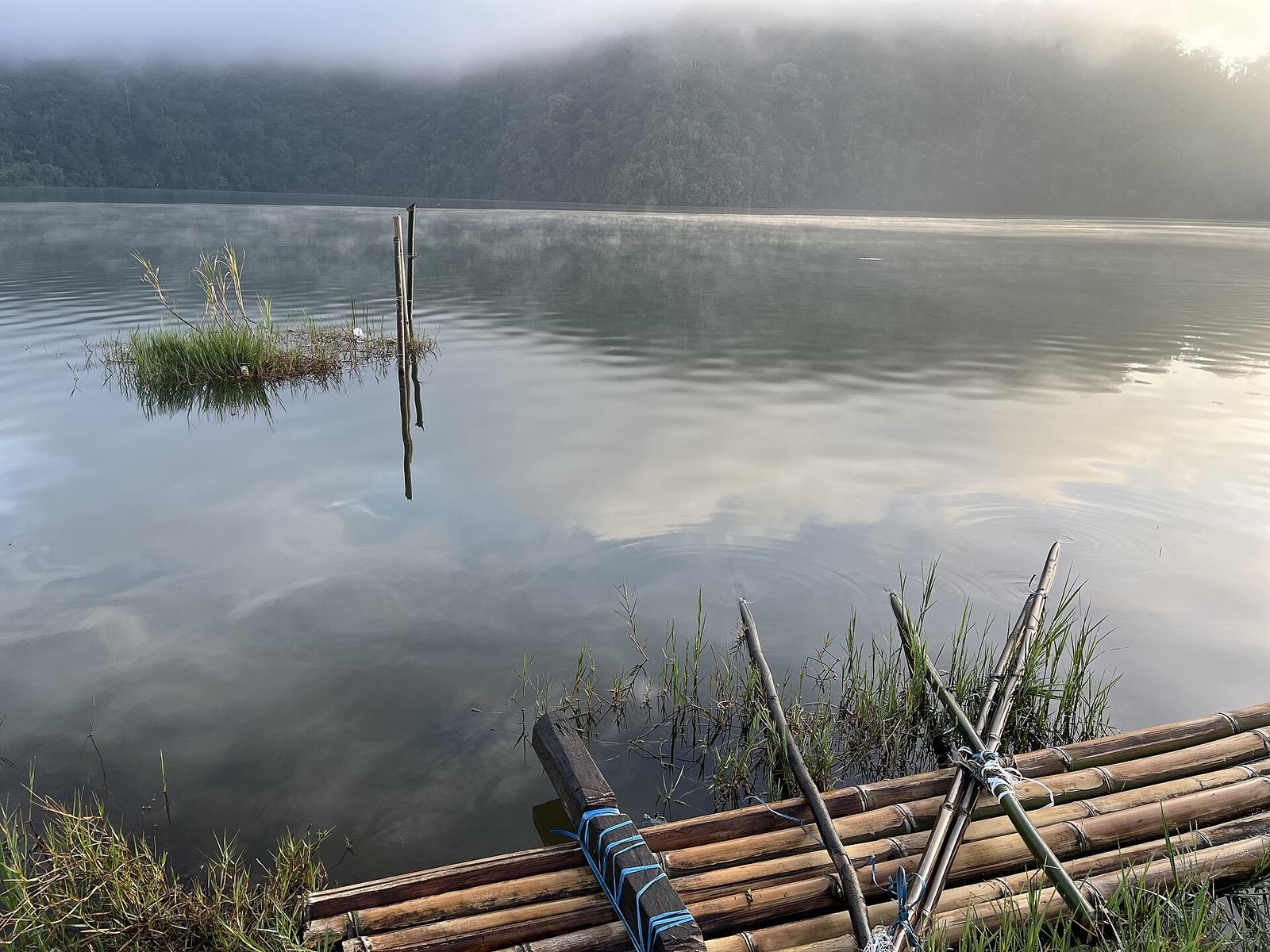 Foto: Nafisathallah · Wikimedia Commons · CC BY-SA 4.0 — rakit bambu
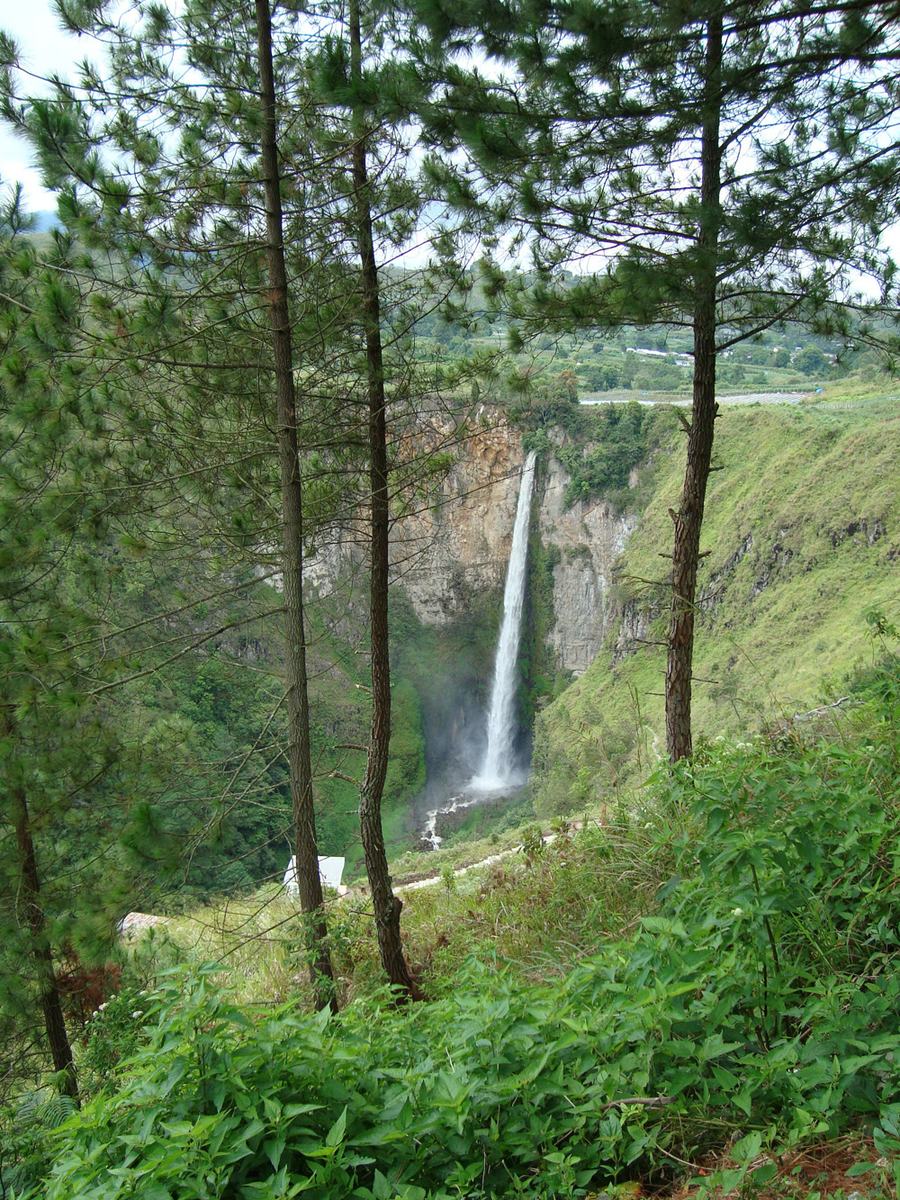 Foto: edowardomd · Wikimedia Commons · CC BY-SA 3.0
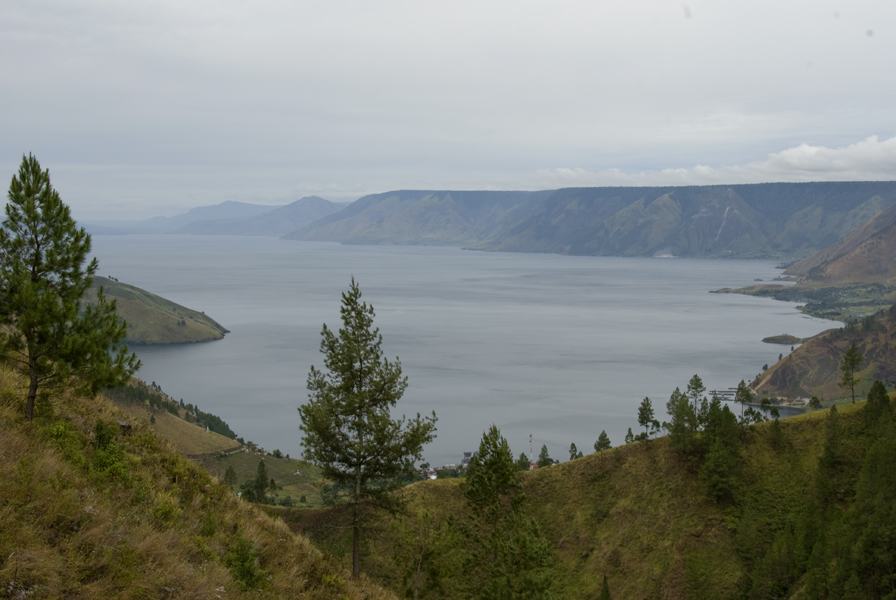 Foto: Yorick · Wikimedia Commons · domain publik — pemandangan Danau Toba
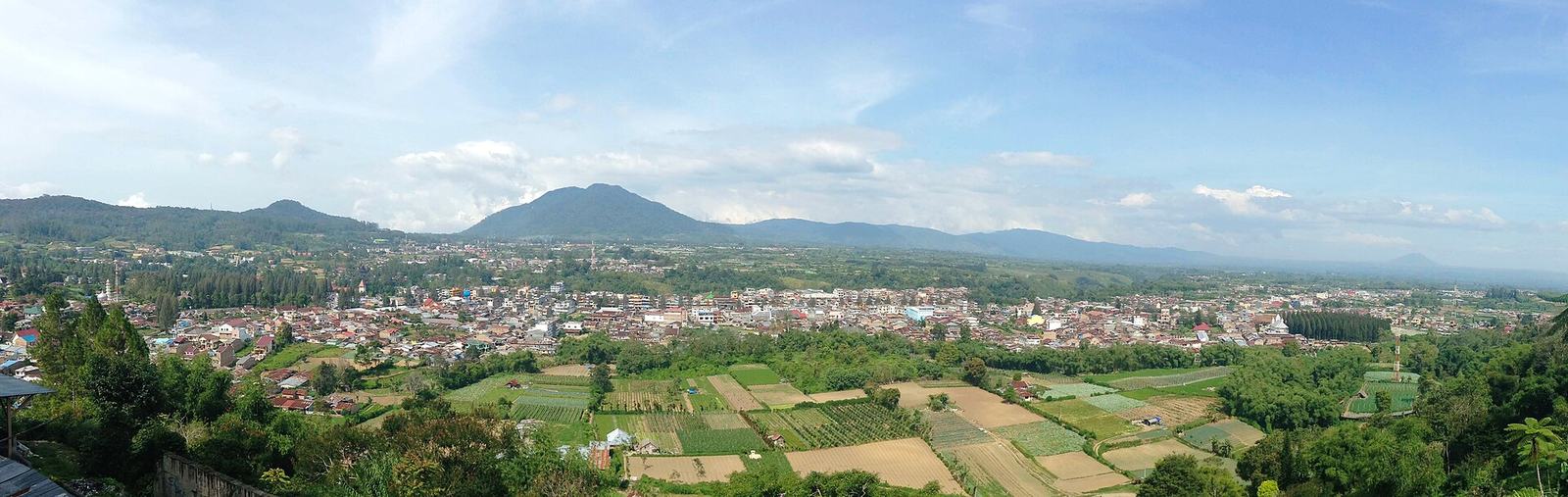 Foto: Christian Advs Sltg · Wikimedia Commons · CC BY-SA 4.0 — panorama
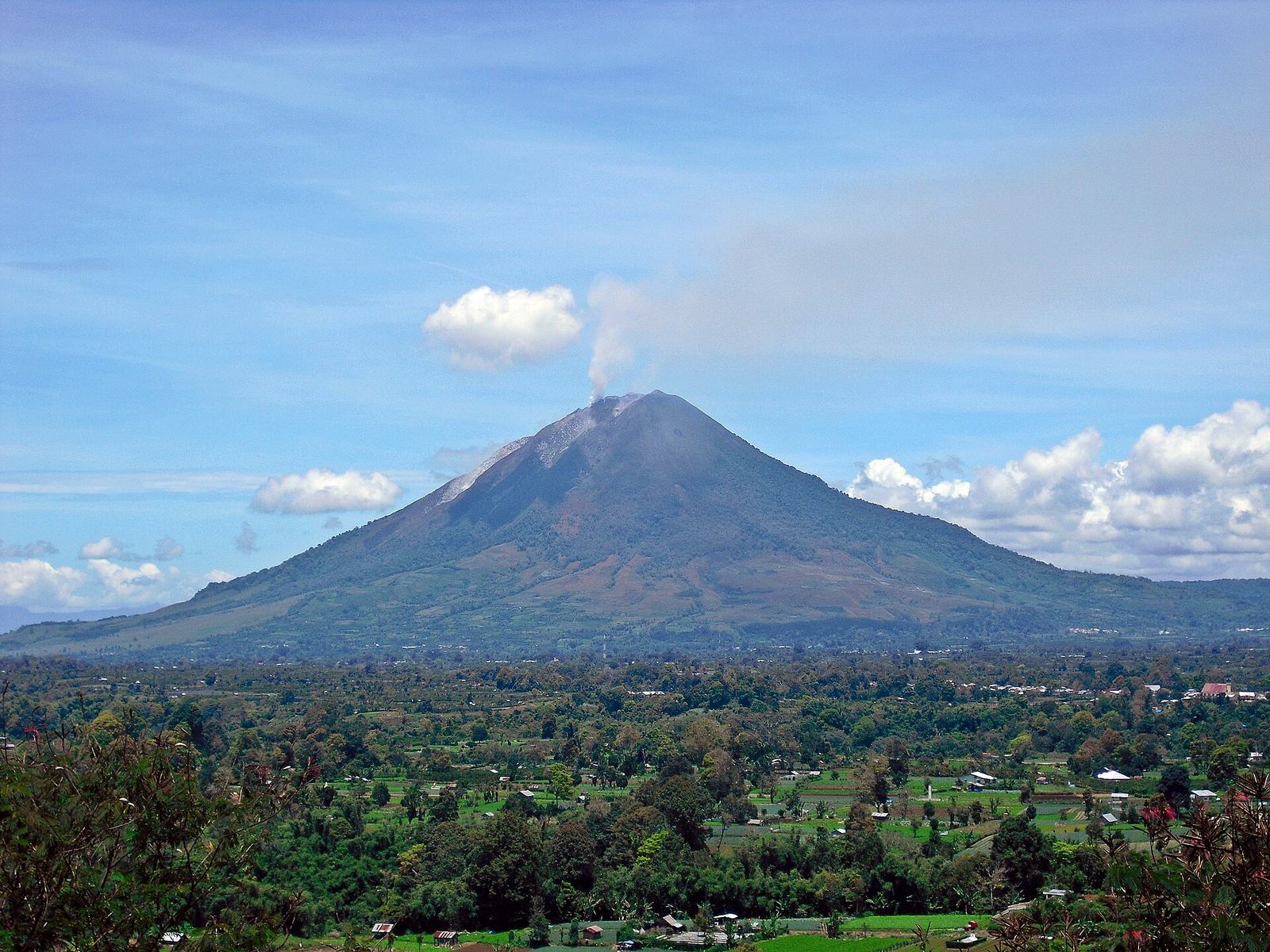 Foto: Kenrick95 · Wikimedia Commons · CC BY-SA 3.0 — Sinabung dari Gundaling, 2010
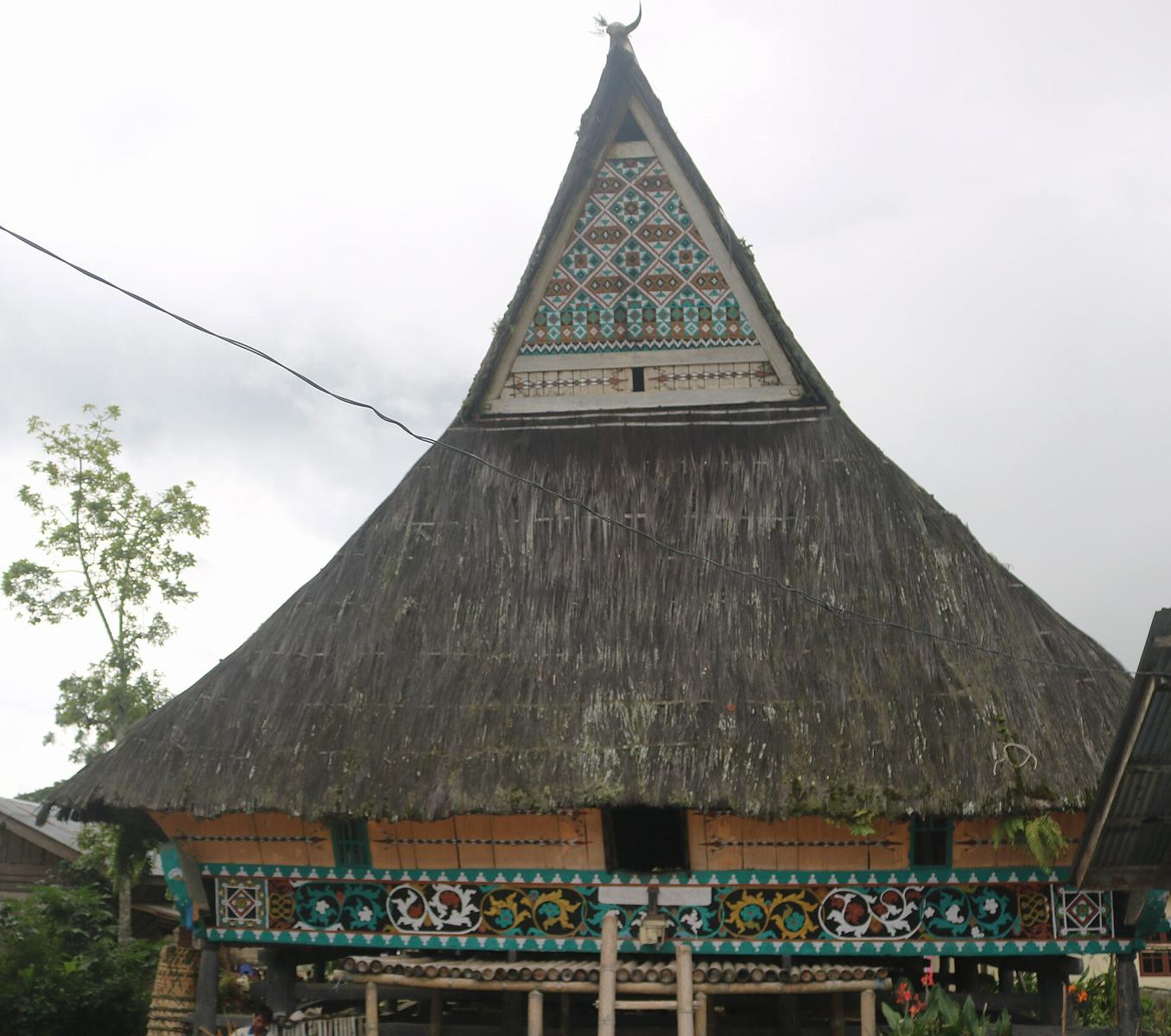 Foto: Agus Damanik · Wikimedia Commons · CC BY-SA 4.0
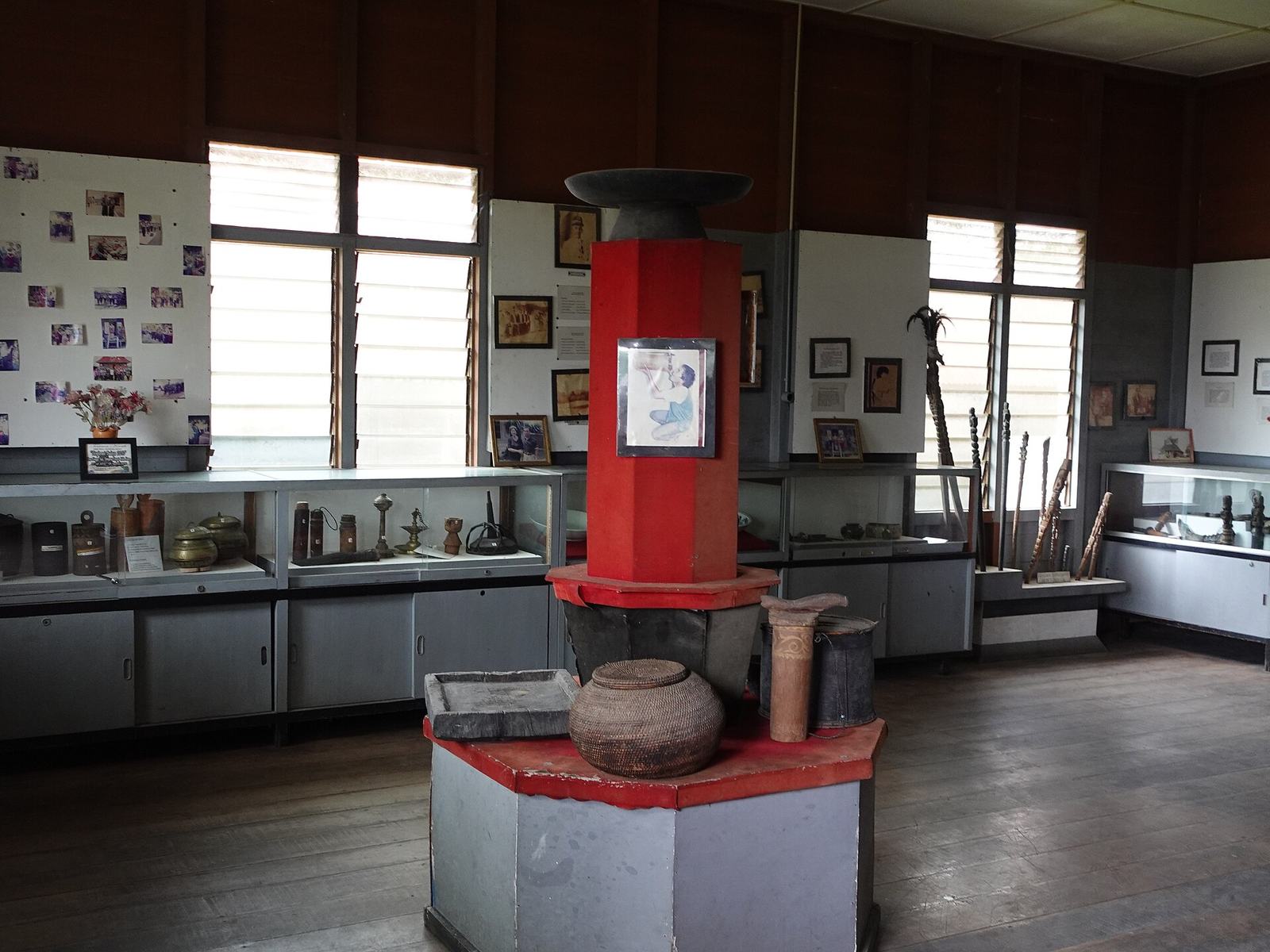 Foto: HaidirAndiNovianto · Wikimedia Commons · CC BY-SA 4.0 — Museum Karo Lingga